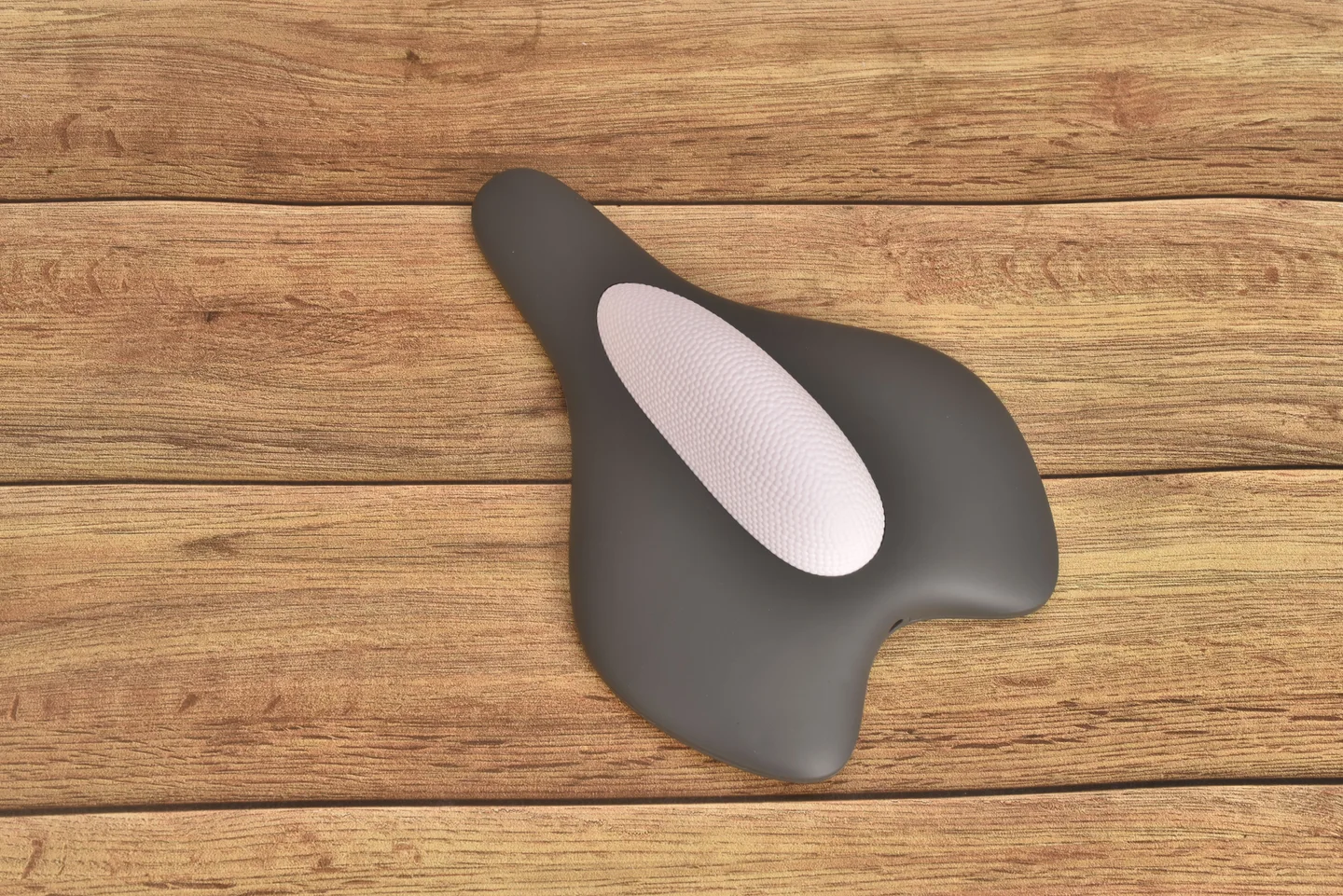

Vibration does not establish that anything was measured
A device can run a vibration pattern without detecting your pelvic floor activity. The sensation tells you the motor is operating, not whether a contraction was correct. More intensity levels therefore do not automatically mean more useful training information.
If vibration is a feature you want, compare adjustment, controls and instructions. If understanding your exercise is the main goal, investigate the feedback system separately. Some products provide both functions, but one should not be offered as proof of the other.
Ask what a feedback device measures
Biofeedback presents information from a measured bodily signal to help a person understand an activity. Different systems may use different signals. Ask the manufacturer what is actually sensed rather than assuming all devices use clinical electromyography or directly measure muscle strength.
A useful explanation should cover the measurement, how it is presented and its limitations. Ask whether placement or other movement can affect readings. If the seller cannot explain what a score represents, be cautious about making that score your main reason to buy.
Read graphs as information with limits
A curve, animation or score is an interface, not a diagnosis. Do not assume that a higher number means better recovery or that two brands use comparable scales. A change in a display needs to be interpreted within that device’s instructions.
For personal questions about correct muscle use or persistent symptoms, seek professional guidance. NIDDK describes biofeedback as one possible aid to learning exercises; that does not endorse every consumer trainer or establish equivalent performance across devices.
NIDDK: Treatments for bladder control problems ↗Distinguish clinical tools from home product claims
In a professional setting, measurements are interpreted alongside an assessment and a treatment plan. A home product may provide feedback without reproducing that process. The word biofeedback alone does not establish clinical-grade accuracy or a medical indication.
Look for product-specific evidence if a seller makes a claim about accuracy or outcomes. Do not transfer findings about supervised therapy, another sensor or another population onto the product you are considering.
How to evaluate HOSFU’s app feedback
HOSFU describes real-time training feedback through its app for compatible trainers. Treat that as a feature to understand through the interface and instructions, not a medical diagnosis. Public feature descriptions alone do not establish clinical EMG capability or confirmation of every correct contraction.
If you are considering Gen 4, review app-guided training separately from vibration and warmth. The purchasing question is whether you want that combination of functions in an external format. Ask support to clarify the feedback if a particular measurement is essential to your decision.
A better buying checklist
For feedback, check the measured signal, interpretation, limitations and evidence. For vibration, check controls and comfortable adjustment. For the whole product, check fit, app compatibility, costs and returns. Give each requirement its own line in your comparison.
If both app feedback and independent comfort functions are on your list, explore Gen 4’s current specifications. If your main uncertainty is how to perform a Kegel, start with technique guidance rather than using a device score as the sole answer.