Four product formats that should not be treated as equivalents
| Format | What to check | The practical difference |
|---|---|---|
| Sit-on pressure feedback | Clothing, contact position, calibration and what the graph represents | You make the movement; the device supplies feedback. Gen 4 belongs here. |
| Insertable feedback trainer | Intended anatomy, insertion instructions, sensor and cleaning | Contact and preparation differ. Check each model's instructions. |
| Electrical stimulation (EMS) | Electrode placement, operating instructions and suitability | Electrical stimulation is a different mechanism from pressure feedback. |
| Thigh-resistance exerciser | Which muscles the instructions target and whether anything is measured | Squeezing the thighs does not verify a correct pelvic floor contraction. |
Start with how a device works, then compare features within that category. A thigh exerciser, an electrical stimulator and a pressure-feedback trainer can appear in the same search without providing the same experience.
Compare preparation from start to finish
For an external device, look at the seating or placement requirements, clothing instructions and controls. For an insertable device, look at placement, contact materials and any preparation specified by the manufacturer. Neither category has one universal setup.
Time is only one consideration. Think about privacy, storage and whether you are comfortable repeating the process. A device can have attractive specifications yet be a poor match for the circumstances in which you intend to use it.
Do not infer accuracy from contact alone
Ask the same questions about both categories: what does this model measure, how is the signal displayed, and what might affect it? Direct contact does not by itself establish greater accuracy. A convenient external format does not establish better outcomes either.
Professional biofeedback may help with learning pelvic floor exercises. That general role does not validate every consumer product marketed with the same word. Compare the evidence and instructions for the particular model rather than borrowing claims from a different device.
NIDDK: Treatments for bladder control problems ↗Include cleaning and ownership in the comparison
Follow the manufacturer’s cleaning instructions for all contact surfaces. Do not assume a product is waterproof or suitable for a particular disinfectant. Check storage, charging and any replacement-part requirements before buying.
Alongside the purchase price, note subscriptions, necessary accessories and return restrictions. Compare like with like: an unopened-return window and a used-product trial are different offers. If a policy is unclear, ask the seller before opening the package.
Where an external HOSFU trainer fits
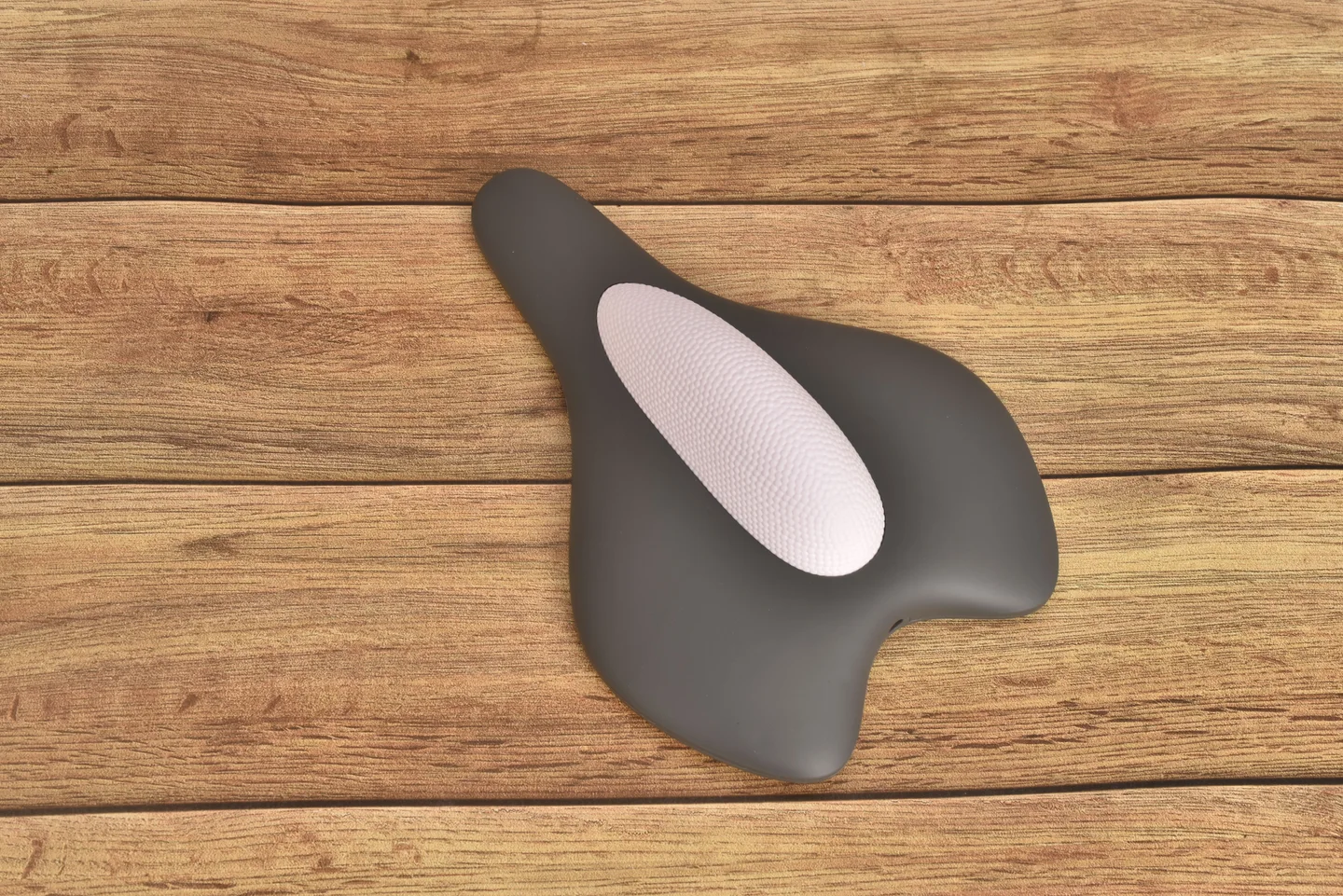
HOSFU belongs in the external, fully clothed sit-on category. If that is the format you want, the next decision is which controls and functions suit you. The range includes screen-free options as well as app-connected models; check the model comparison rather than assuming every generation has the same features.
Gen 4 provides app-guided feedback and separate on-device comfort functions. That combination may match a preference for both phone-based guidance and independent controls. It does not make the device a replacement for individual assessment.
A practical decision sequence
First exclude contact methods you cannot or do not want to use. Next confirm suitability and the setup. Then compare feedback, controls, cleaning and total cost. Keeping that order prevents an appealing app screen from distracting you from an unsuitable format.
If external use is already your preference, continue with the no-insertion buying guide or explore Gen 4. If you are unsure what kind of training is appropriate, settle that question before choosing either category.