What a squat actually trains
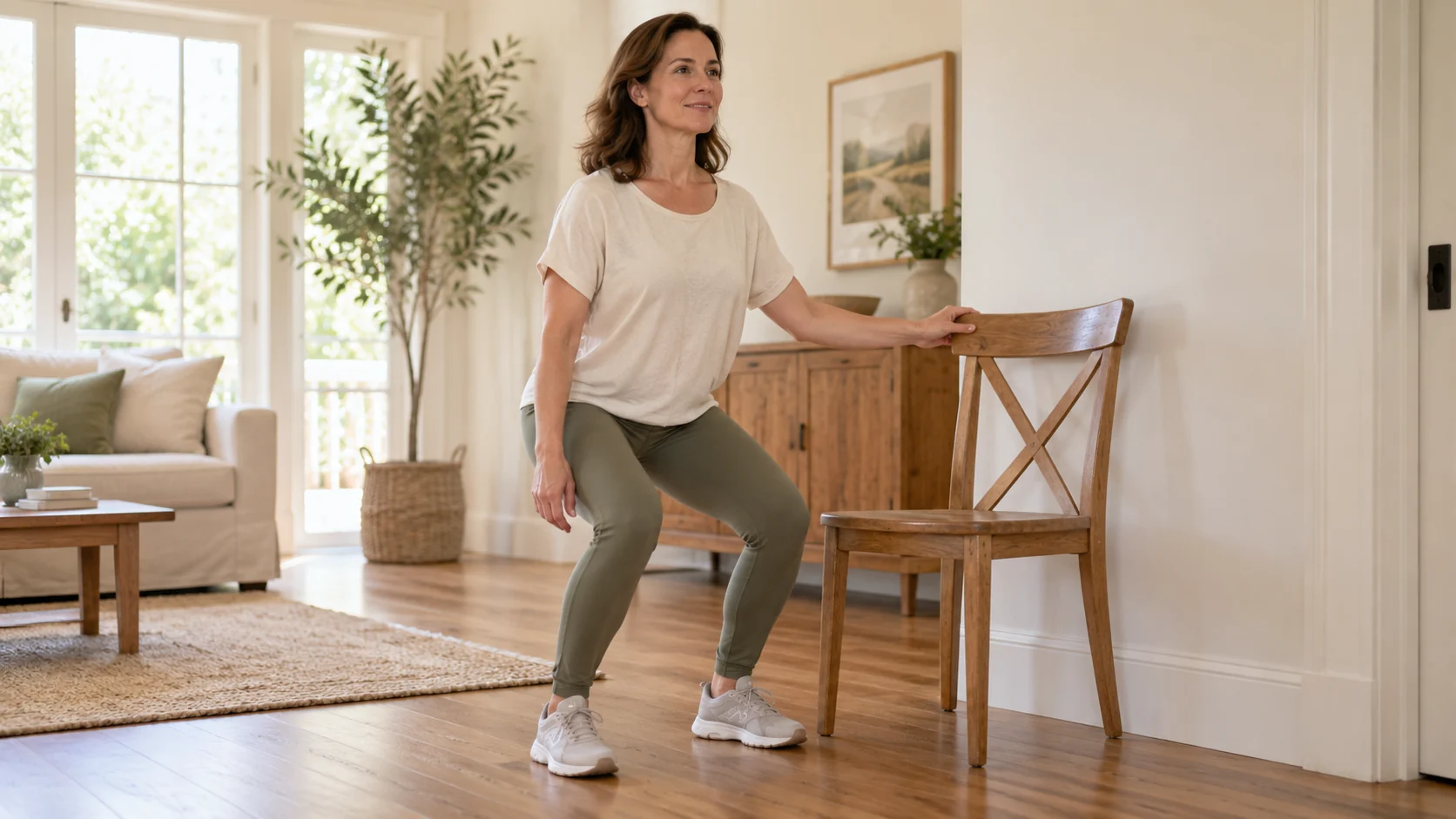
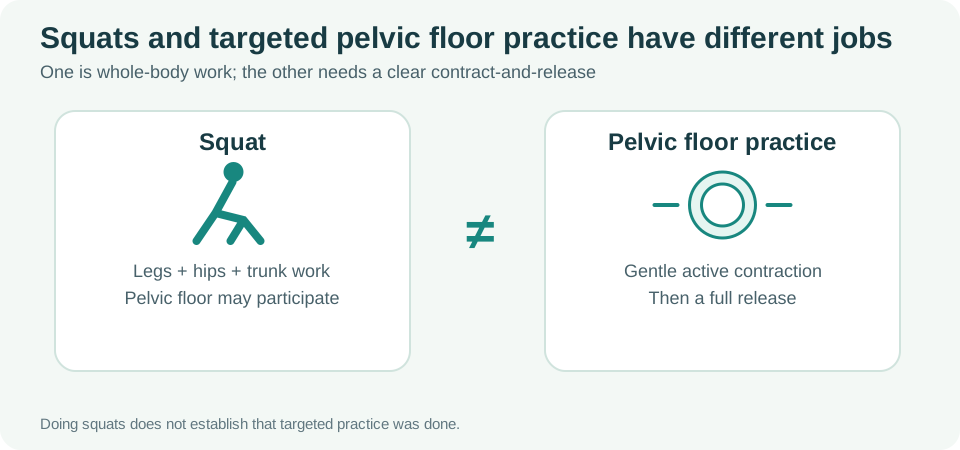
Squats are a whole-body movement with substantial work from the legs, hips, and trunk. A comfortable, controlled squat can be part of general strength exercise. However, feeling your thighs burn tells you little about whether you can deliberately contract and fully relax your pelvic floor. A study or instruction about good squat form is not evidence that a fixed number of squats treats urinary incontinence or replaces individual pelvic floor training.
The same distinction cuts the other way: doing isolated contractions does not replace leg strength, balance, and enjoyable activity. The sensible question is not “which exercise wins?” but “what job do I need each one to do?”
A useful check during your next easy set
Choose a shallow range you can control, with a stable chair behind you if helpful. Keep your feet planted and allow your knees and hips to bend comfortably. Breathe through the movement. Notice whether you reflexively hold your breath, bear down, or grip your abdomen and pelvic area from start to finish. If you cannot tell, lighten the movement; a heavy set is a poor classroom for a subtle skill. Do not force a maximal pelvic contraction throughout every repetition.
These observations do not diagnose a weak pelvic floor. They give you a reason to adjust the load or seek professional help if symptoms appear. A few drops during a heavy lift, for instance, may reflect several interacting factors; the right response is not automatically “do more Kegels.”
Take an ordinary example: ten bodyweight squats feel comfortable, but a loaded set brings leakage on the way back up. The useful comparison is the change in load, breath, speed, and fatigue, not whether the bodyweight version “counted” as pelvic floor exercise. You could note the weight and where in the repetition the leak happened, then discuss that pattern with a pelvic health professional. This is a fictional example of what to observe, not a treatment plan or a promise that lowering the weight will solve it.
When separate practice makes sense
| Your goal | A sensible starting point |
|---|---|
| General leg and hip strength | Comfortable squats with gradual progression and normal breathing. |
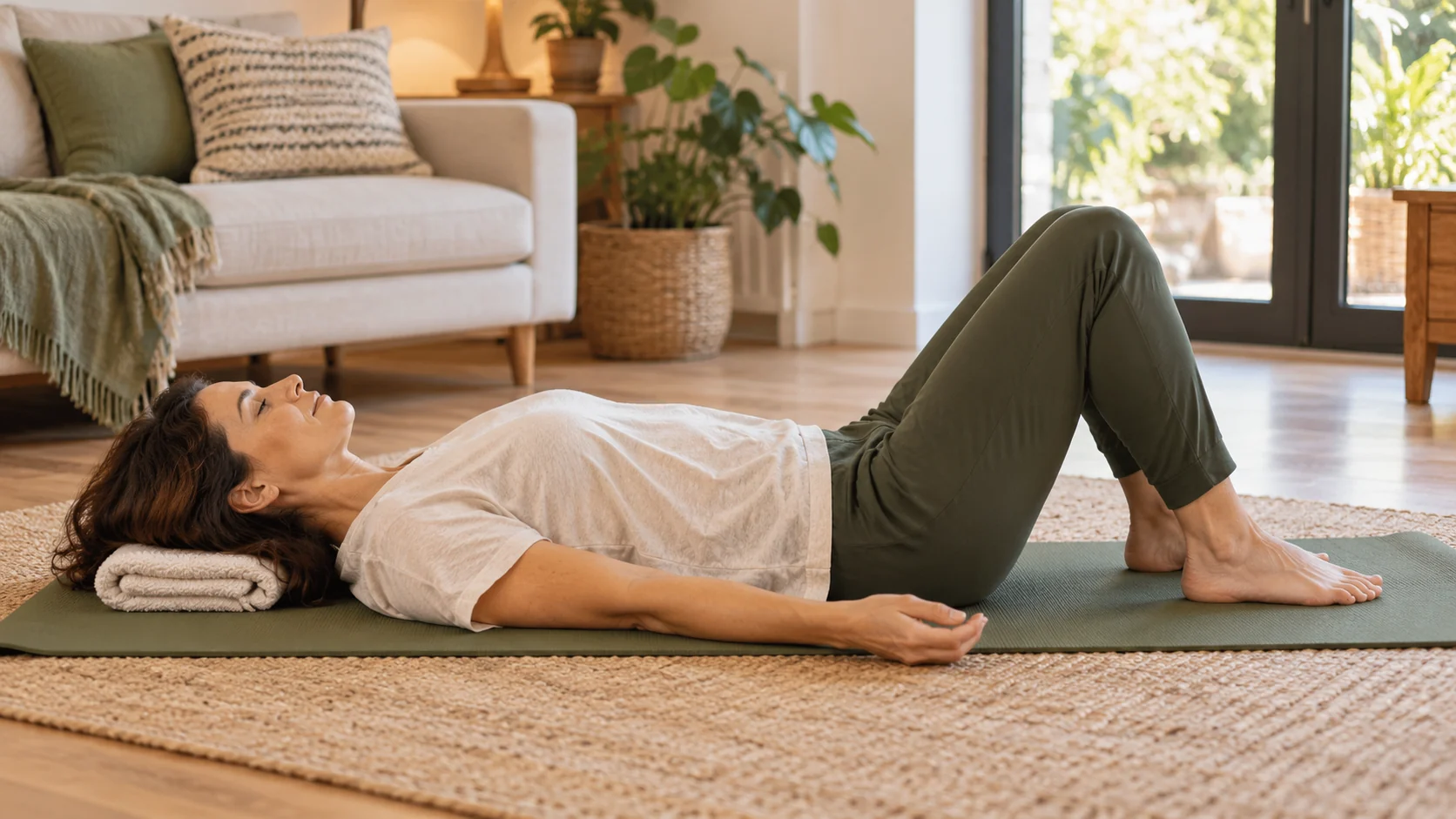
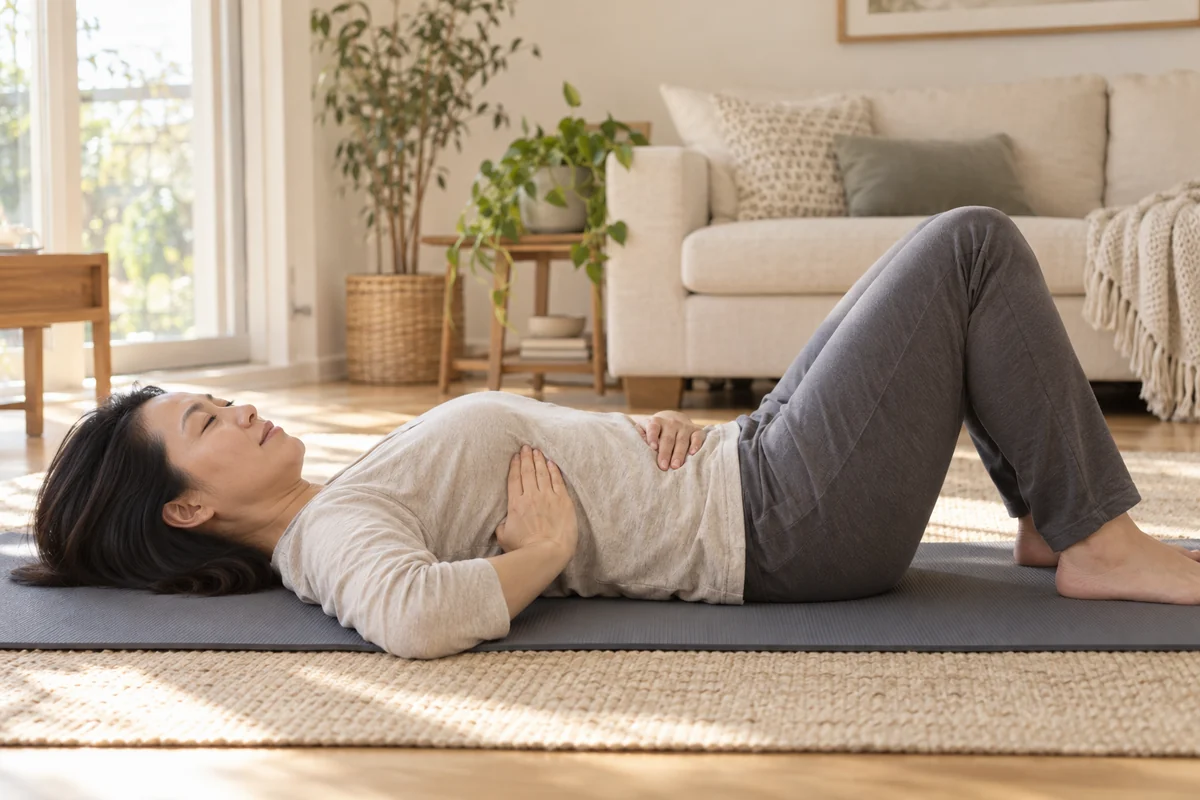
| Learn a pelvic floor contraction | Separate, gentle practice with a full release. |
| Leakage under load | Reduce the provoking load temporarily and discuss persistent symptoms with a clinician. |
| Pelvic pain or persistent gripping | Seek assessment; repeated maximal squeezing may be unhelpful. |
If a clinician has recommended pelvic floor muscle training and you can identify the muscles comfortably, practice the small lift and complete release away from the squat first. Pick a supported position in which you can breathe normally and avoid squeezing your buttocks or thighs. Once the movement is clear, you can pay attention to breath and timing during ordinary exercise. If you feel pelvic pain, heaviness, worsening leakage, or difficulty relaxing, get an individual assessment before increasing either squats or contractions.
Some people wonder whether they should squeeze their pelvic floor every time they stand up from a squat. There is no universal rule that every repetition needs a maximal squeeze. Constant gripping can make it harder to notice a full release, and it may distract from breathing and a controlled movement. If you have a tailored plan from a pelvic health professional, follow that plan; otherwise, learn the small action separately before trying to coordinate it with heavier exercise.
Where HOSFU Gen4 fits
For someone who wants a separate, seated routine of active pelvic floor practice, HOSFU Gen4 shows pressure changes as they contract and release. You use it fully clothed on a stable chair, between workouts if that suits you; it cannot measure your muscles during a squat. Its separate heat and vibration quick mode is for comfort rather than proof of strengthening. See Gen4 if that kind of guided practice would help you stay consistent.