
First, describe the change precisely
Think of a lamp connected to a power source through a wire and a dimmer switch. If the lamp is dim, turning the switch harder will not fix a damaged wire. Likewise, sensation depends on healthy nerves, blood flow, skin, attention, and context. A single exercise or supplement cannot address every cause.
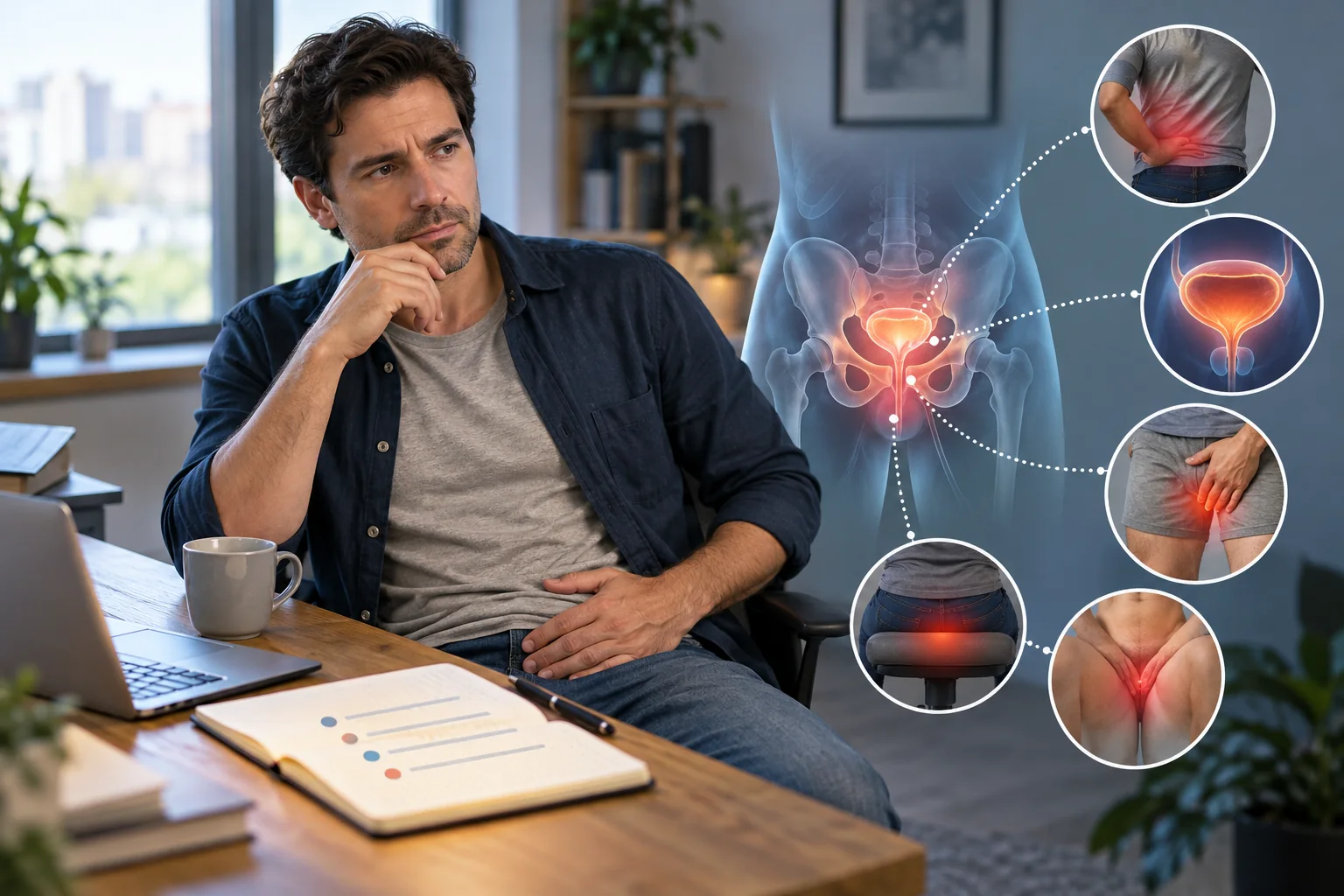
Before trying a remedy, ask yourself:
• Is the sensation reduced on one small area or across the whole penis?
• Did it change suddenly or gradually?
• Is there numbness, tingling, pain, burning, or a change in erections?
• Does it follow long periods of cycling, sitting, or pressure on the area?
• Did it begin after a new medication, injury, surgery, or illness?
• Is the change present during all touch or only during sex?
These details help a clinician distinguish a local pressure problem from a broader medical issue. They also help prevent you from treating normal variation as a disease. There is no universal “correct” level of sensitivity.
Pressure or irritation
Prolonged pressure on the perineum, including from some bicycle seats, can irritate the tissues and nerves involved in genital sensation. If a specific activity seems linked to temporary numbness, stop the pressure and allow the area to recover. If numbness persists or returns, seek medical advice. Do not keep repeating the activity to test whether the sensation is still gone.
Friction or skin irritation can also alter how touch feels. Gentle care and avoiding an obvious irritant may help, but visible skin changes, sores, or persistent pain should be assessed rather than covered with a “sensitivity” product.
Nerve or metabolic conditions
Nerves carry sensation like electrical lines carrying a signal. Diabetes and some neurological problems can affect those lines. Cambridge University Hospitals' erectile dysfunction guidance notes that nerve damage may reduce sensitivity and that diabetes can affect nerves and blood vessels. A new or persistent change in feeling is a reason to consider a general health assessment, especially when other symptoms are present.
Medication and treatment effects
Some medicines and treatments can change sexual response or the way sensation is perceived. If the timing matches a medication change, discuss it with the prescriber. Do not stop prescribed medication on your own. Your clinician can weigh benefits and alternatives in the context of your health.
Arousal, stress, and sexual context
Sensation is not only a message from the skin; the brain interprets it. Fatigue, stress, distraction, anxiety, or changes in arousal can affect what you notice. If the experience is different during masturbation and partnered sex, that pattern is useful information, not a reason to blame yourself. A conversation with a qualified clinician or sex therapist can help if the concern persists.
What can you do safely while finding the cause?
Reduce a clear source of pressure. If symptoms follow a seat, position, or activity, take a break and adjust the setup. Avoid continuing through numbness.
Review your health and medication history. Note when the change started and any related symptoms. Bring that timeline to a clinician or pharmacist.
Avoid harsh “desensitizing” or “resensitizing” experiments. Strong friction, unverified creams, and aggressive devices can irritate skin or delay an accurate diagnosis.
Support general vascular and nerve health. Managing an existing condition such as diabetes is relevant to nerve and blood vessel health, but no lifestyle step can promise that lost sensation will return.
Give the issue a reasonable clinical threshold. If numbness is persistent, recurrent, worsening, or accompanied by weakness, pain, erectile changes, or urinary symptoms, book a medical appointment. Sudden numbness with other acute neurological symptoms needs urgent medical assessment.
Does pelvic floor exercise increase penis sensitivity?
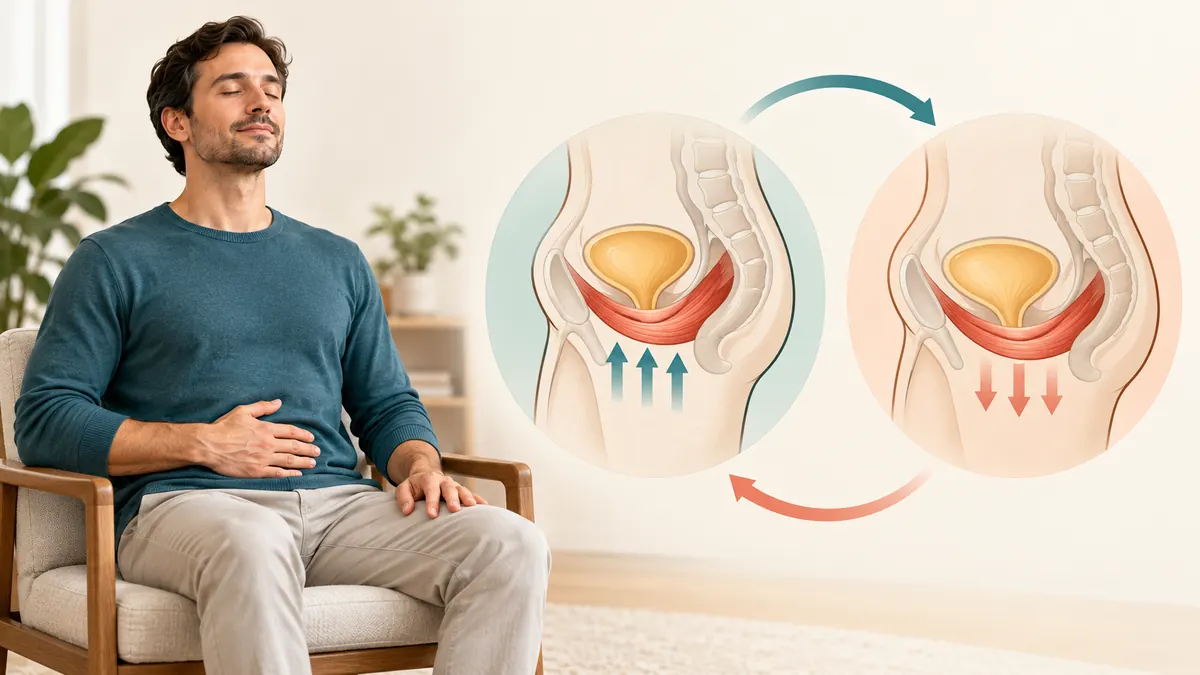
The pelvic floor participates in sexual function, but reduced penile sensation is not automatically a pelvic floor weakness problem. The muscles might be weak, overactive, painful, or entirely unrelated to the change you feel. Strengthening them cannot repair a nerve injury or treat diabetes.
A pelvic floor physical therapist may be helpful when symptoms suggest pelvic muscle involvement, such as pelvic pain, urinary symptoms, or poor coordination. The assessment determines whether to work on contraction, relaxation, or something else. Imagine tuning a guitar: tightening every string is not a method for making the instrument sound better. Each string needs the right tension.
When to see a doctor
Seek evaluation for persistent or repeated genital numbness, a sudden clear loss of sensation, pain, tingling, skin changes, urinary problems, or a change after injury or surgery. If you have diabetes or risk factors for it, mention them. NHS guidance on persistent or recurring numbness and tingling recommends medical assessment because treatment depends on the cause.
A clinician may ask about medications, general health, sexual function, physical pressure, and the exact distribution of the sensory change. Depending on findings, they may check for skin, nerve, vascular, hormonal, or pelvic floor issues. The point is to find the broken link in the chain before choosing a repair.
Where HOSFU fits
HOSFU can be used for guided pelvic floor practice when a clinician says that kind of training is appropriate. It is not a treatment for penile numbness and cannot promise to restore nerve sensation. If your main concern is a new sensory loss, get the cause assessed first. If pelvic floor therapy becomes part of your plan, a trainer may be a practice aid, not a substitute for care.
The useful question is not “Which trick makes me more sensitive?” It is “What changed, and what kind of help matches that change?” That question makes the next step safer and more likely to address the real problem.
Can penile sensitivity return on its own?
Temporary changes after pressure or irritation may improve, but persistent or recurrent numbness needs assessment. Recovery depends on the cause; a general promise is not possible.
Do Kegels repair nerve damage?
No. Pelvic floor exercises train muscles. They do not directly repair damaged nerves. A clinician can tell you whether pelvic floor therapy is relevant to your symptoms.
Should I buy a cream or supplement first?
If the change is new or persistent, identifying the cause is more useful. Unverified products may irritate skin or delay needed care.