Five clues worthy of joint evaluation
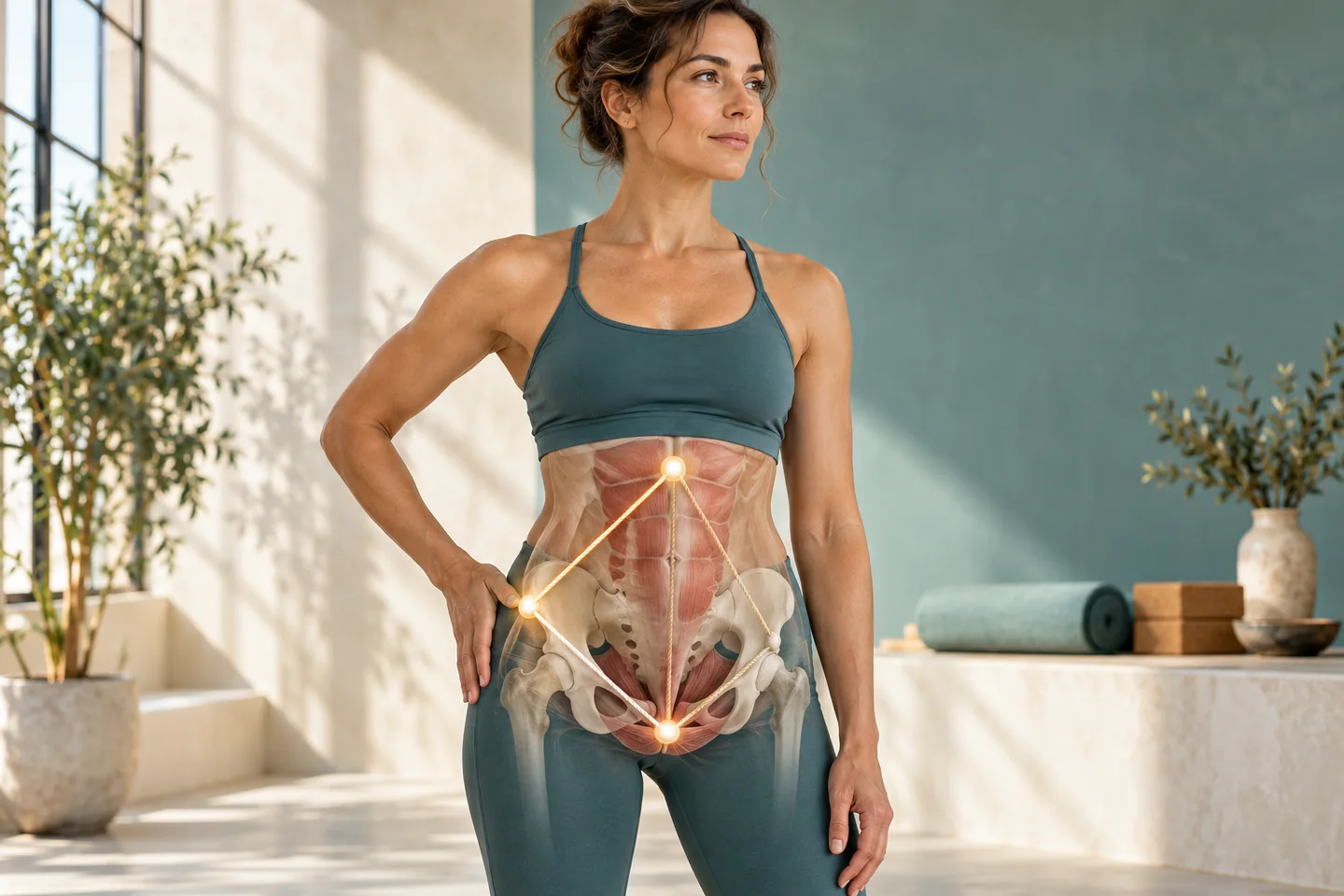
Lateral hip pain, groin tightness, and perineal discomfort after sitting for long periods of time are often regarded as three unrelated things. In fact, the deep hip muscles, abdominal wall and pelvic floor jointly control the stability of the pelvis. They are more like several drawstrings in the same tent: if one is too tight for a long time, the other drawstrings will change the force.
But this metaphor cannot be turned into a universal diagnosis. Joints, tendons, lumbar spine, and nerves can all cause hip pain. The pelvic floor is just one area worth checking.
These clues do not prove that the pelvic floor is the cause, but they suggest that the evaluation should not focus solely on the point of pain.
- Hip pain occurs simultaneously with perineal, coccyx, or lower abdominal discomfort.
- Sitting for a long time, having sex, defecating or holding in urine can change the pain.
- You always unconsciously clench your glutes, tighten your abdomen, or hold your breath.
- Simply stretching the hip can only provide short-term relief, and the symptoms will return quickly.
- Urinary urgency, leakage, difficulty in emptying or constipation are present at the same time.
A safe observation action
Lie on your back with your knees bent, and place one hand on your ribs and the other on your abdomen. When you inhale, let your ribs and abdomen expand naturally and observe whether your hips relax accordingly; when you exhale, gently lift one foot and see if you immediately hold your breath and clench your hips. Don't pursue the range of motion, just record the left-right difference and symptom changes.
If you experience nighttime awakenings, inability to bear weight, severe pain after an injury, fever, or progressive numbness and weakness in your legs, you should seek medical evaluation first. Persistent hip pain should also be assessed by a doctor or physical therapist for joint or nerve problems.
What can—and cannot—Gen4 do?
After the assessment confirms the need to improve pelvic floor coordination, Gen4 can provide sitting feedback, allowing you to observe whether contractions and relaxations are symmetrical and whether you are prone to fatigue. It does not diagnose hip injuries and should not replace treatments for the hip, lower back, and nerves.
View HOSFU Gen4