First distinguish between three experiences
When your eyelids twitch, you will most likely wait for it to pass; when the same "thumping sensation" appears deep in the perineum, it is easy for people to become nervous instantly. The more nervous you are and the more you look for that moment, the tighter your muscles may become.
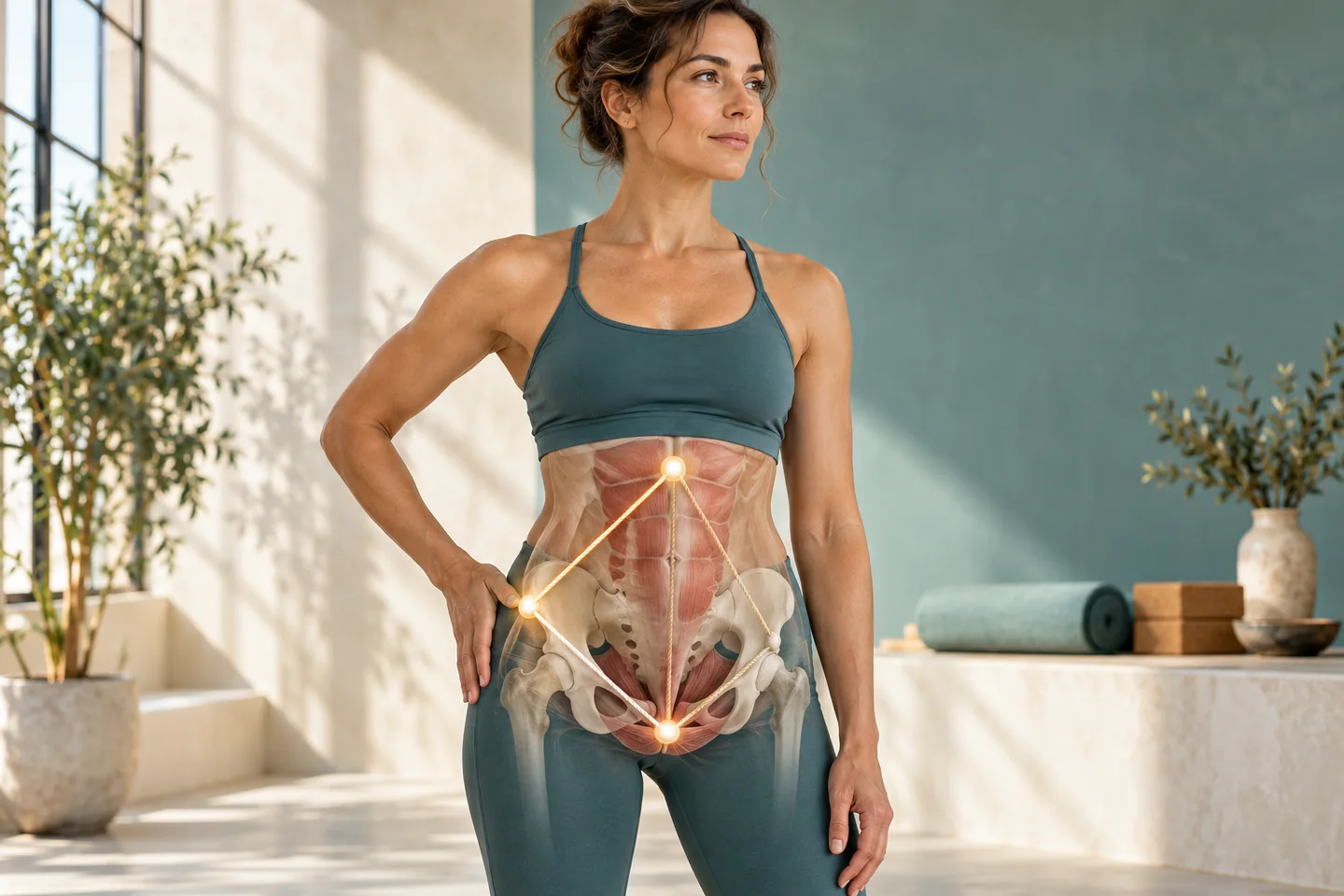
The pelvic floor is a group of skeletal muscles, so it can briefly twitch like a calf or eyelid. Exercise fatigue, holding one position for long periods of time, stress, and excessive contractions may all be involved. But it’s impossible to determine the source from the word “twitching” alone.
Occasional mild twitching: lasts for a few seconds to a few minutes, is not painful, and does not affect urination and defecation. First reduce training for the day, get enough rest and observe.
Twitching with tightness or sitting pain: Like something is clamped in the perineum, which is more obvious after sitting for a long time, and it is also uncomfortable during sex or defecation. The focus here may be on relaxation and assessment rather than continued reinforcement.
Twitching with numbness, weakness, or changes in control: If you also experience leg weakness, perineal numbness, urinary retention, or loss of bowel and bladder control, seek medical attention as soon as possible; these are not ordinary training reactions.
Make a symptom map
Note the time of occurrence, what you did in the previous hour, whether you had just completed a Kegel, caffeine intake, location and duration of pain. The value of the map is not self-diagnosis, but turning the vague "something doesn't feel right" into information that doctors can use.
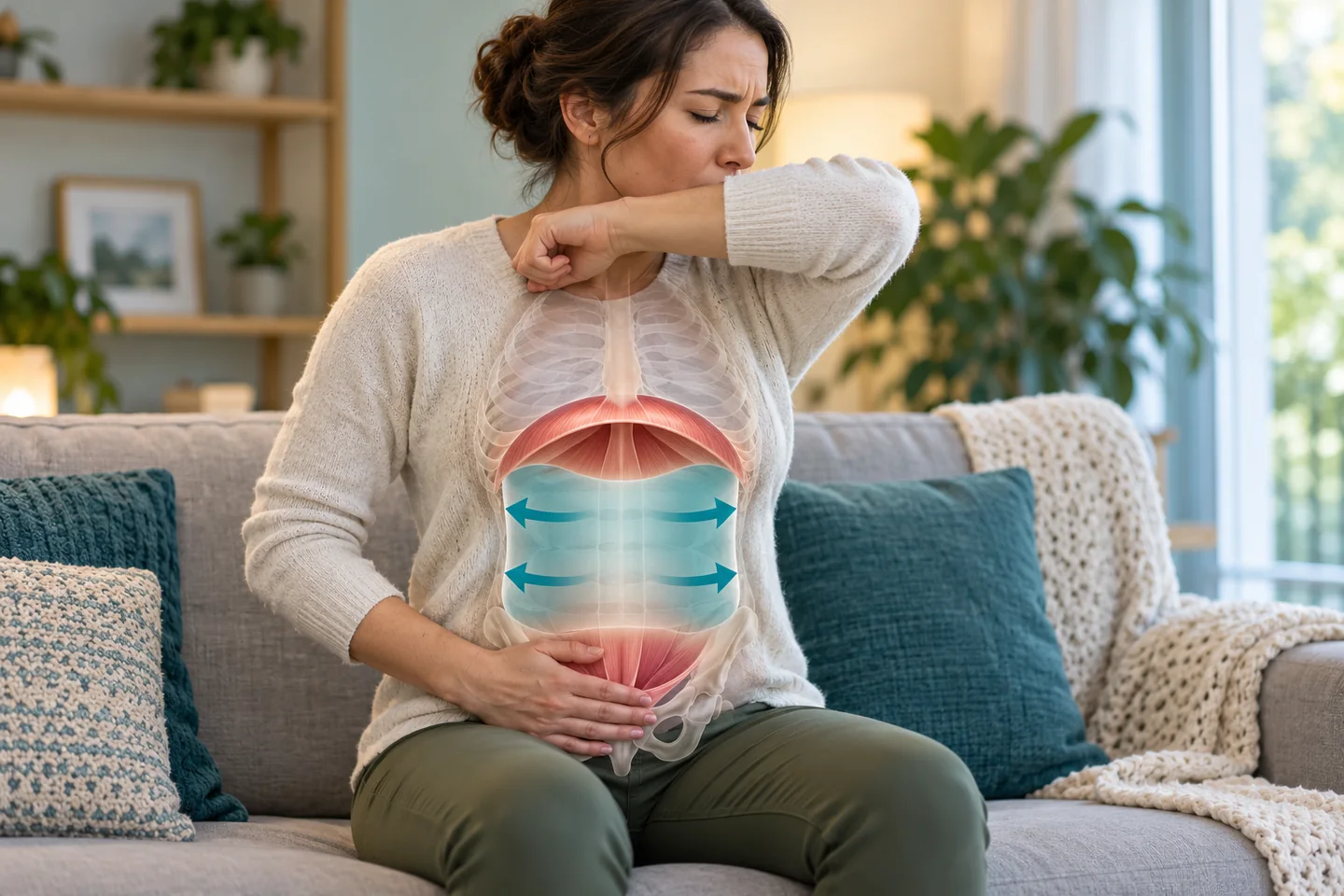
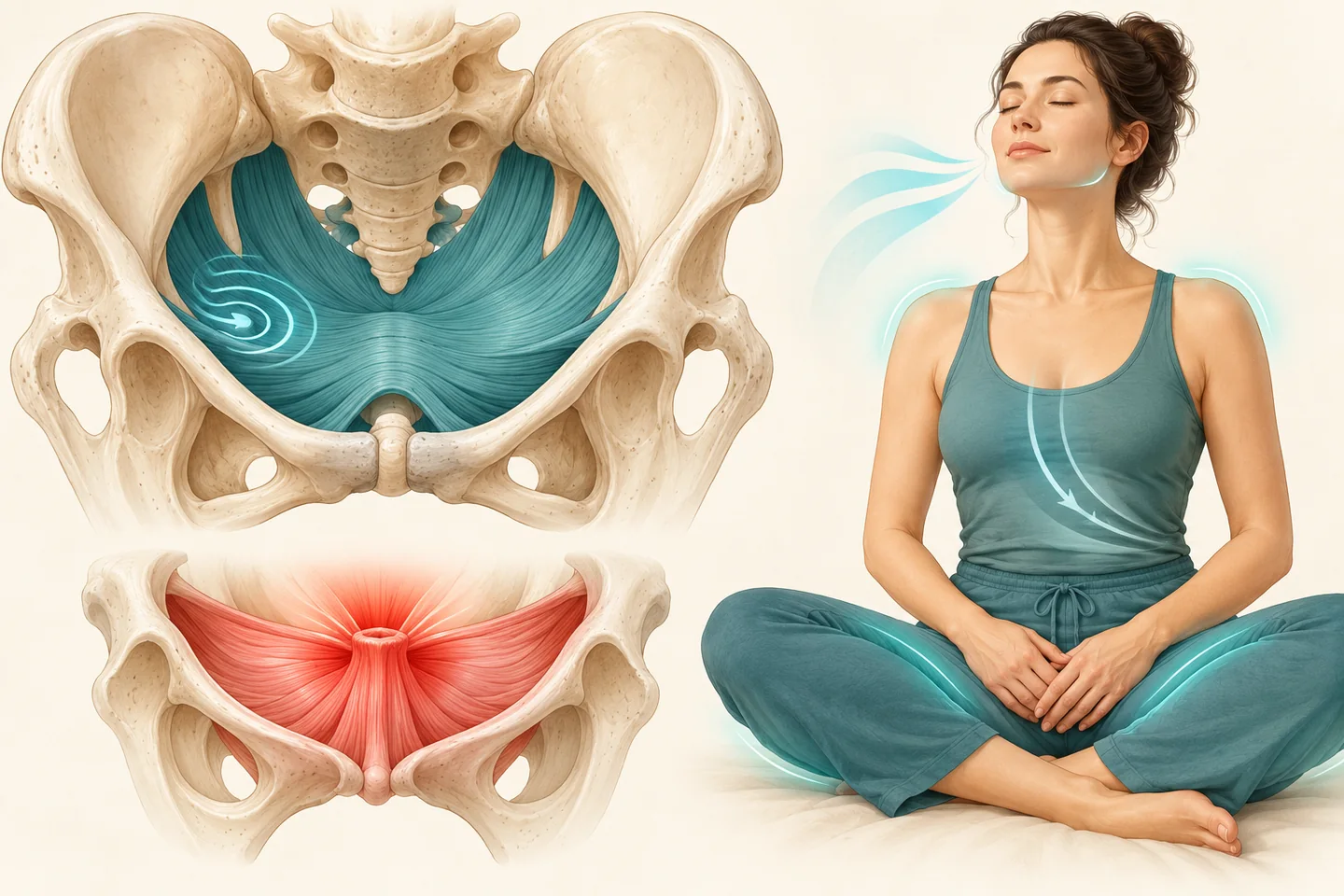
You can try slow breathing for 90 seconds: when you inhale, bring your lower ribs outward and your abdomen will naturally soften; when you exhale, don't deliberately tighten it. Focus on relaxing your jaw, hips, and inner thighs. The pelvic floor often lowers its alertness along with these areas.
When should you avoid Gen4?
If unexplained twitching comes with pain, pause strengthening first. Gen4's Quick Mode serves as a relaxing experience with gentle heat and vibration after a professional has ruled out problems that need treatment, while Feedback Training is used when there's a clear need for improved coordination. Stop any mode that makes symptoms worse.
View HOSFU Gen4