
Let me first ask: Do I have the urge to urinate, or am I afraid that I will have the urge to urinate in the future?
Before going out, before a meeting, before getting in the car, even though you have no obvious need to urinate, you still say: "I'll go first to avoid trouble later." It is practical to do this occasionally; but when it becomes a ritual that must be completed every time you see the toilet, the problem is different.
The bladder and brain are like a set of learning doorbells. The more often you empty at very low volumes, the more likely your system will interpret even a slight fullness as a "gotta go now." This does not mean your bladder has physically shrunk. It means the alarm threshold and your response to it may have changed.
For three days, record the time, fluid intake, urgency level from 0 to 3, and whether leakage occurred. If you get a 0 or 1 a lot of times but go because you "see the toilet," you may be looking for a habit trigger rather than a capacity issue.
When the urge to urinate comes, don’t rush immediately
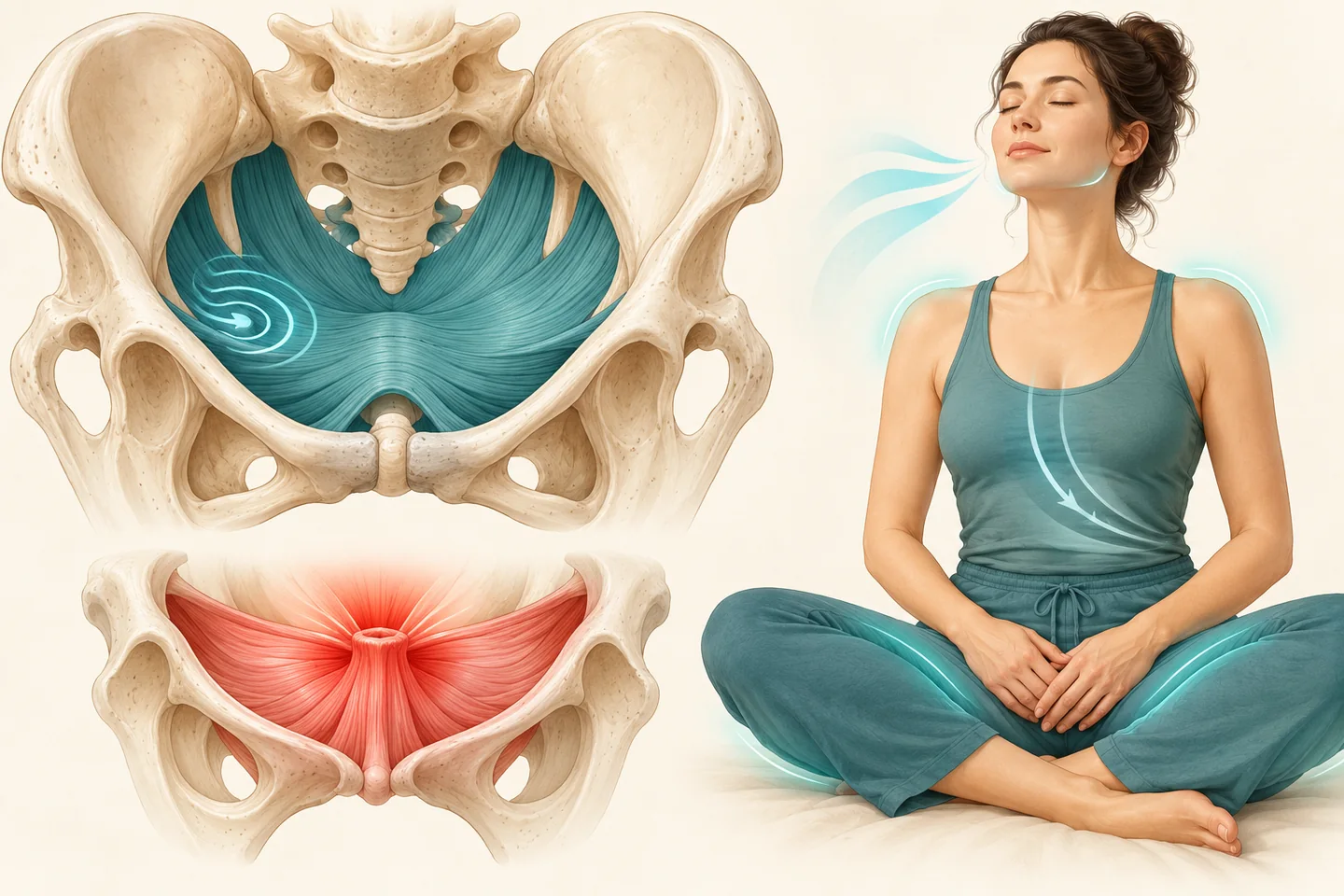
When you have a sudden urge to urinate, stand still or sit down, exhale slowly, and relax your shoulders. You can do a few quick, gentle pelvic floor contractions, then turn your attention to the bottom of your feet hitting the ground or the object in front of you. Wait until the urge to urinate subsides a little like a wave, then calmly walk to the toilet. Running and panic often amplify the alarm.
Next, just extend the time between urinations by 10 to 15 minutes, and then adjust after a week. The goal is not to hold it in until it hurts, nor to pursue a certain uniform duration, but to let the brain re-understand the difference between "having a slight urge to urinate" and "going to leak soon."
When should you pause self-training?
Painful urination, blood in the urine, fever, or a sudden increase in frequency may be related to infection or other problems. Difficulty urinating, pregnancy symptoms, or known neurological diseases should also consult a doctor first. Don't drink less water in exchange for fewer trips to the bathroom. Restricting fluids too much can create new problems.
How can Gen4 help?
Gen4's feedback training helps you practice short, controlled contractions when urinary urgency comes and establish a steady rhythm; it is not a treatment for bladder infections or acute urinary frequency. It is more efficient to use a urination diary to confirm the pattern first, and then decide to train, than to blindly increase the number of Kegels.
View HOSFU Gen4