What happens to the body when you cough?
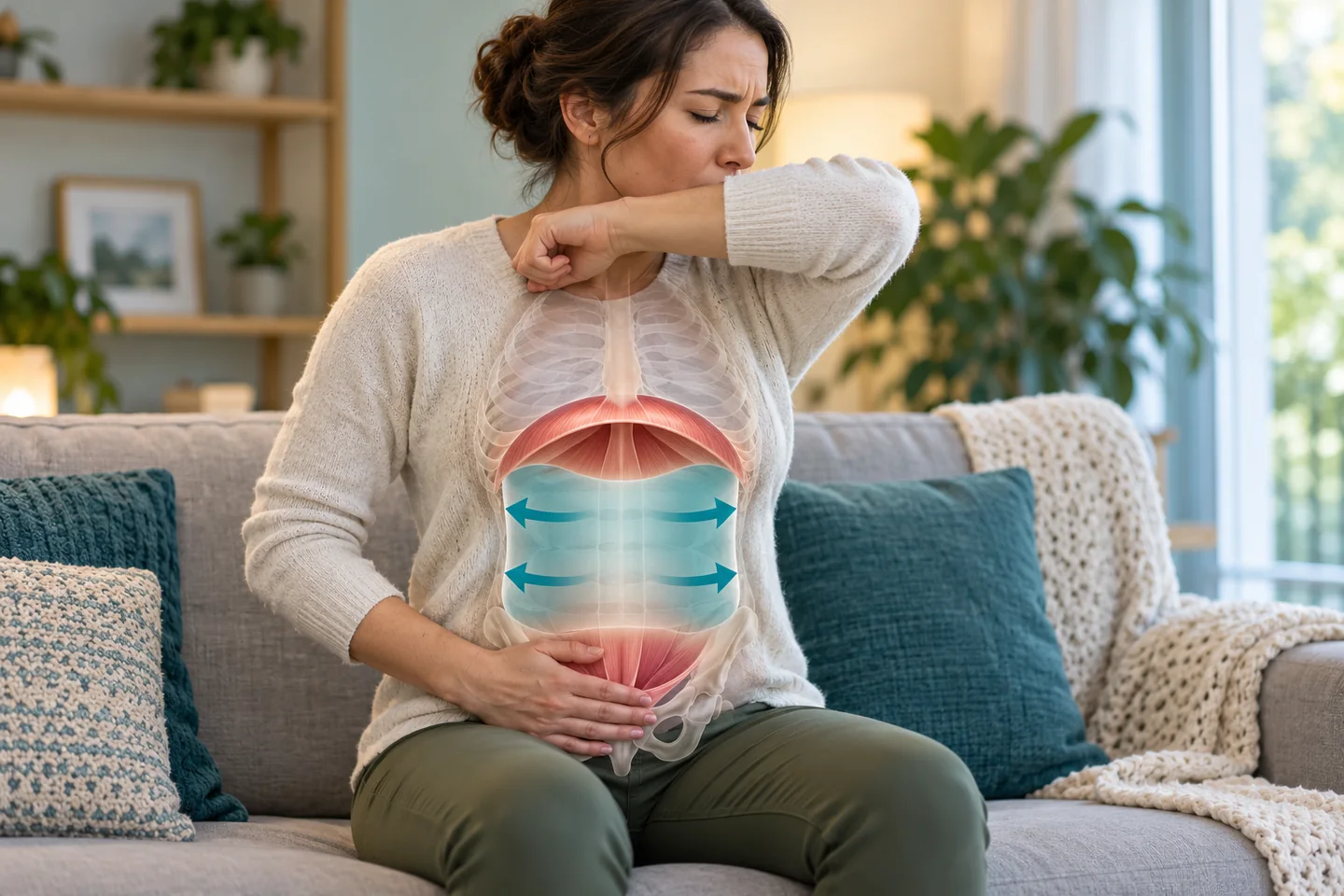
A cough takes less than a second, but allows the abdomen, lower back, and pelvic floor to cope with rapidly rising pressure at the same time. If every cough triggers a painful sensation in the pubic bone, perineum, or lower abdomen, this is not something that can be explained by just "doing more Kegels."
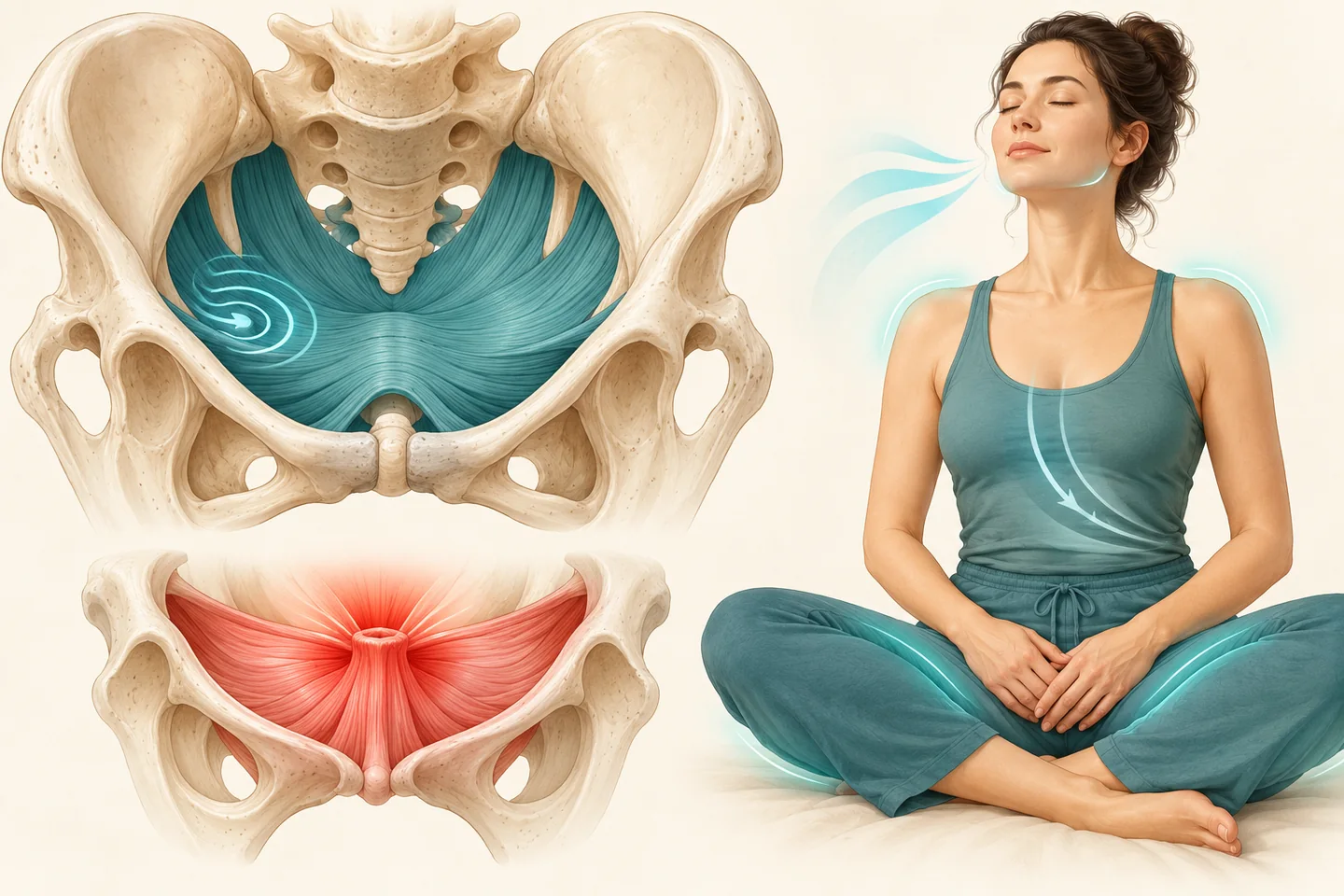
The diaphragm, abdominal wall, and pelvic floor act like a soft jar filled with water. When coughing, the pressure in the tank suddenly rises. The pelvic floor needs to provide support at the right time without becoming so stiff that it completely loses its elasticity. Poor support may contribute to heaviness or urine leakage; excessive tension may also cause pain when impact occurs.
Use location and accompanying symptoms to find clues
Pain that occurs only when coughing, sneezing, or standing up may be related to stress management and muscle coordination. If it is accompanied by a groin bulge, hernia needs to be investigated; if it is accompanied by painful urination, fever or hematuria, urinary system problems should be considered; if pain, bleeding, or fluid leakage occurs during pregnancy, the obstetric team should be contacted.
Don't press hard on the painful spot to "find the nodule." First record the location, left and right sides of the pain, intensity, whether it comes with urine leakage or pelvic heaviness, and how long the cough lasts. Chronic cough itself will repeatedly impact the pelvic floor, and dealing with the cause of the cough is also pelvic floor care.
A small drill to reduce impact
When you expect to cough, keep your feet on the ground, exhale gently and lift your pelvic floor before coughing; relax immediately after coughing. The action is like tightening the tent rope a little before the wave hits, rather than stretching the rope to the limit throughout the day.
If this movement worsens pain, stop practicing. Persistent pain, abdominal mass, difficulty breathing, chest pain, or neurological symptoms all require professional evaluation.
Where Gen4 fits—and where it does not
When a doctor or therapist confirms that the problem is primarily related to pelvic floor coordination, Gen4's feedback can help practice timing of "tighten before stress and relax after it's over." It cannot diagnose the cause of a cough, hernia, or infection; address red flags first, then talk about training.
View HOSFU Gen4