What is vaginal tone?
A more useful question is: Which part of the system has changed? Think of a tent. Its fabric, supporting poles, and tensioned ropes work together, but pulling harder on one rope will not repair torn fabric or replace a missing pole. The vagina and pelvic floor are different tissues with different jobs. Understanding that difference is the first step toward choosing care that helps.
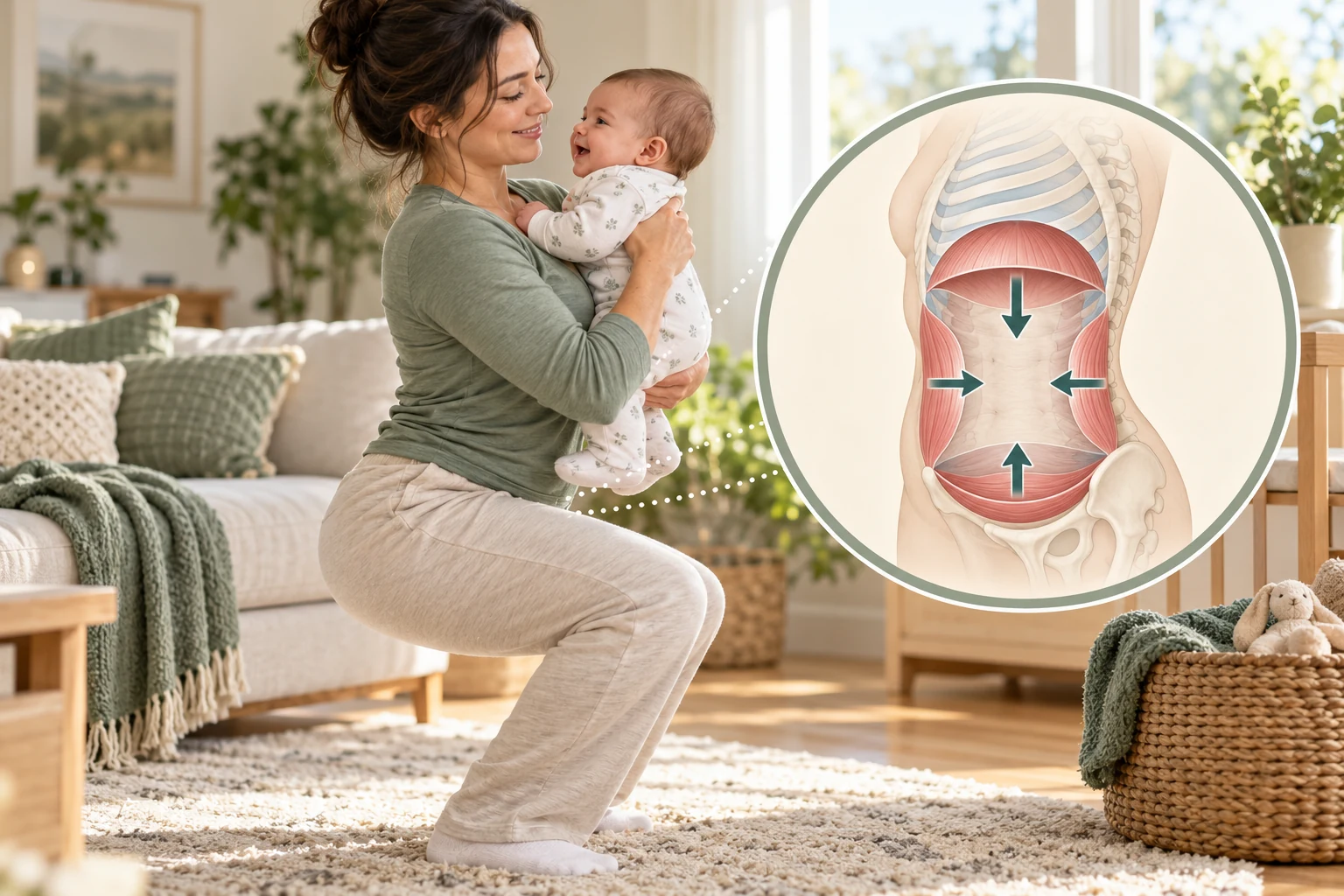
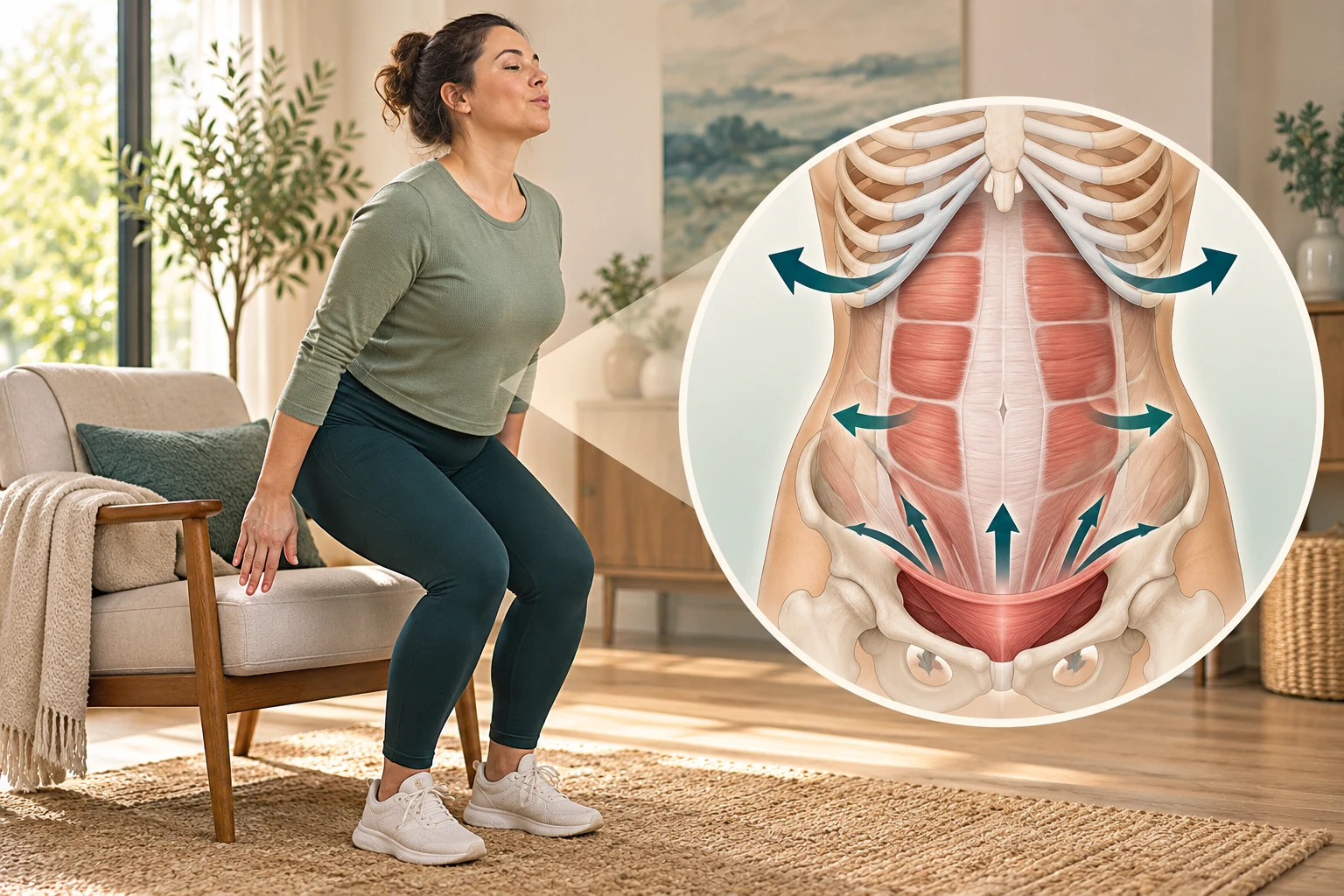
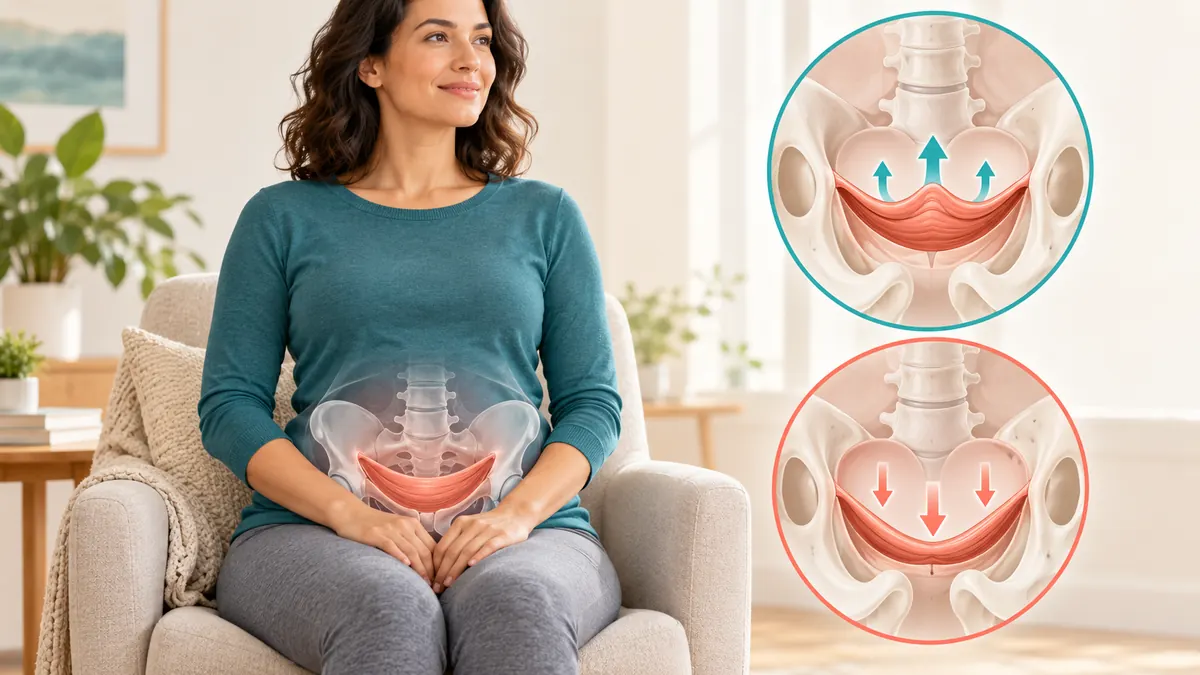
The vagina is an elastic, muscular canal. Its lining and surrounding tissues change with hormones, arousal, pregnancy, childbirth, and age. The pelvic floor is a group of muscles underneath the pelvis. It supports pelvic organs and helps control the bladder and bowel. These muscles also contract and relax during sexual activity.
When people say “vaginal tone,” they may mean any of the following:
• They feel less able to contract or release their pelvic floor muscles.
• They notice a bulge, pressure, or heaviness that could suggest pelvic organ prolapse.
• Sex feels different because of dryness, pain, or changes in arousal.
• They have new bladder leakage or difficulty emptying.
Those experiences deserve different responses. A pelvic floor workout may improve muscle function; it cannot reverse every tissue or hormonal change. If the main issue is dryness, more squeezing is like tightening a door hinge when the door needs oil.
Can Kegel exercises make the vagina tighter?
Kegel exercises train the pelvic floor to contract and then fully relax. For someone with weak or poorly coordinated muscles, training may improve awareness, control, and some symptoms, including certain types of urinary leakage. The goal is useful function, not a guaranteed measurement of vaginal size.
The National Institute of Diabetes and Digestive and Kidney Diseases (NIDDK) recommends learning the correct muscles and following an individualized plan when needed. It also cautions against routinely stopping urine midstream as a way to exercise. A pelvic floor physical therapist can check technique if you are unsure whether you are contracting the intended muscles.
Imagine a camera lens. It works because its opening can narrow and widen smoothly. A pelvic floor that only clenches is not automatically a healthier pelvic floor. If your symptoms include pelvic pain, painful penetration, constipation, or trouble emptying your bladder, repeated contractions could be the wrong starting point. Ask a clinician or pelvic floor therapist about assessment and relaxation before adding more strengthening.
A practical way to start pelvic floor training
If a clinician has said strengthening is appropriate, begin gently:
1. Sit or lie comfortably. Breathe normally and let your abdomen and buttocks stay as relaxed as possible.
2. Gently lift and close the pelvic floor, as if preventing gas. Avoid bracing your whole body or holding your breath.
3. Release fully. The release matters as much as the squeeze.
4. Repeat only at a level you can perform comfortably and consistently. Increase duration or repetitions with guidance, especially if symptoms are present.
There is no universal schedule that suits everyone. Technique, endurance, relaxation, and symptoms matter more than chasing a high repetition count. If an exercise causes pain, stop and get individualized advice.
What if the change started after childbirth?
Pregnancy and birth can stretch or injure pelvic tissues, and recovery takes time. A feeling of reduced support may improve as healing progresses, while persistent leakage, heaviness, pain, or difficulty returning to activity deserves assessment. ACOG says postpartum exercise can generally resume gradually when medically safe; the pace should reflect the delivery and any complications.
Think of recovery as rebuilding a house after a storm. First confirm that the foundation is sound; then choose the right repair. A physical therapist may assess strength, coordination, scars, breathing, and how your pelvic floor responds to everyday load. A generic “do more Kegels” plan skips that inspection.
Menopause, dryness, and tissue changes
Lower estrogen levels can contribute to vaginal dryness and discomfort. Dryness can change the sensation of friction or fullness during sex, but pelvic floor strengthening does not replace moisture or treat the underlying hormonal change. ACOG describes lubricants, moisturizers, and clinician-guided treatments as options depending on the person and symptoms.
If sex is painful, avoid treating pain as proof that the muscles need more tightening. Pain is a signal to understand the cause. A clinician can help distinguish dryness, infection, skin conditions, pelvic floor overactivity, and other issues.
When should you seek a pelvic floor assessment?
Book an evaluation if you notice a vaginal bulge, pelvic heaviness, persistent leakage, difficulty emptying, pain with penetration, or symptoms that are getting worse. ACOG notes that pelvic organ prolapse can cause a bulging sensation and that pelvic floor physical therapy may be one treatment option. More serious or persistent symptoms may require different care.
A good assessment asks what you feel, when it happens, and how it affects your life. The answer may be strengthening, relaxation, treatment for dryness, prolapse care, or a mix of approaches. You do not have to diagnose yourself from a search phrase.
Where a pelvic floor trainer may fit
A trainer can help some people practice pelvic floor contractions with more awareness and consistency. HOSFU is an option for guided practice when strengthening is appropriate for you. It is not a test for prolapse, a treatment for vaginal dryness, or a promise to change vaginal anatomy. If you are pregnant, recovering from birth or surgery, or experiencing pain, ask your clinician which exercises and devices are suitable before use.
The best goal is not a single word like “tight.” It is a pelvic floor that can support, contract, and relax when you need it, with comfort and confidence in daily life.
Do pelvic floor exercises change vaginal size?
They train the surrounding muscles and may change perceived control or support. They do not reliably or permanently change the size of the vaginal canal.
Is more squeezing always better?
No. Muscles need a full release between contractions. Pain, difficulty emptying, or increased symptoms are reasons to stop and seek advice.
How long until I notice a change?
It varies with the cause, technique, and consistency. If you are not sure you are doing the exercise correctly or symptoms persist, a pelvic floor physical therapist can help tailor the plan.