
More strengthening is not always better
Pelvic floor symptoms can involve weakness, poor timing, excessive tension, coordination problems or conditions outside the muscles themselves. The same exercise dose cannot solve every pattern.
The Office on Women’s Health notes that Kegels can worsen symptoms for some women whose pelvic floor is already too tight. This is why symptom context matters before progression.
Office on Women’s Health: Urinary incontinence ↗Watch for signs of excessive tension
Pain, pelvic pressure, difficulty relaxing after a squeeze, urinary urgency, constipation or discomfort with penetration can occur alongside an overactive pelvic floor. These symptoms do not diagnose the cause, but they are reasons not to blindly add contractions.
Stop exercises that create pain or a persistent increase in symptoms. A pelvic floor clinician can assess resting tension and coordination.
Correct a downward push
A Kegel should feel like a gentle closing and inward lift. Breath-holding and bearing down increase pressure and can produce the opposite movement. Reduce the effort if the abdomen hardens or the pelvis pushes downward.
NIDDK recommends help when the right muscles are difficult to identify. Assessment is more efficient than practicing an uncertain pattern for weeks.
NIDDK: Kegel Exercises ↗Allow complete relaxation
Every contraction needs a genuine release. If you cannot feel the difference between on and off, shorten the hold, lengthen the rest and reduce intensity. Continuous gripping is not the same as useful strength.
Cleveland Clinic describes professional options, including biofeedback, when learning the movement is difficult. These tools should be matched to the individual problem.
Cleveland Clinic: Kegel Exercises ↗Do not train through warning signs
Seek medical advice for new severe pain, blood in urine, fever, new numbness or weakness, inability to empty bladder or bowel, a new bulge, or symptoms after surgery. Persistent leakage also deserves evaluation rather than endless self-directed repetitions.
After childbirth or a procedure, follow the treating team’s timeline. Internet instructions cannot account for healing, complications or restrictions.
Choose the next step based on the problem
When the issue is poor awareness, supervised instruction may help. When muscles are overactive, relaxation and down-training may come first. When another condition contributes, medical care may be needed.
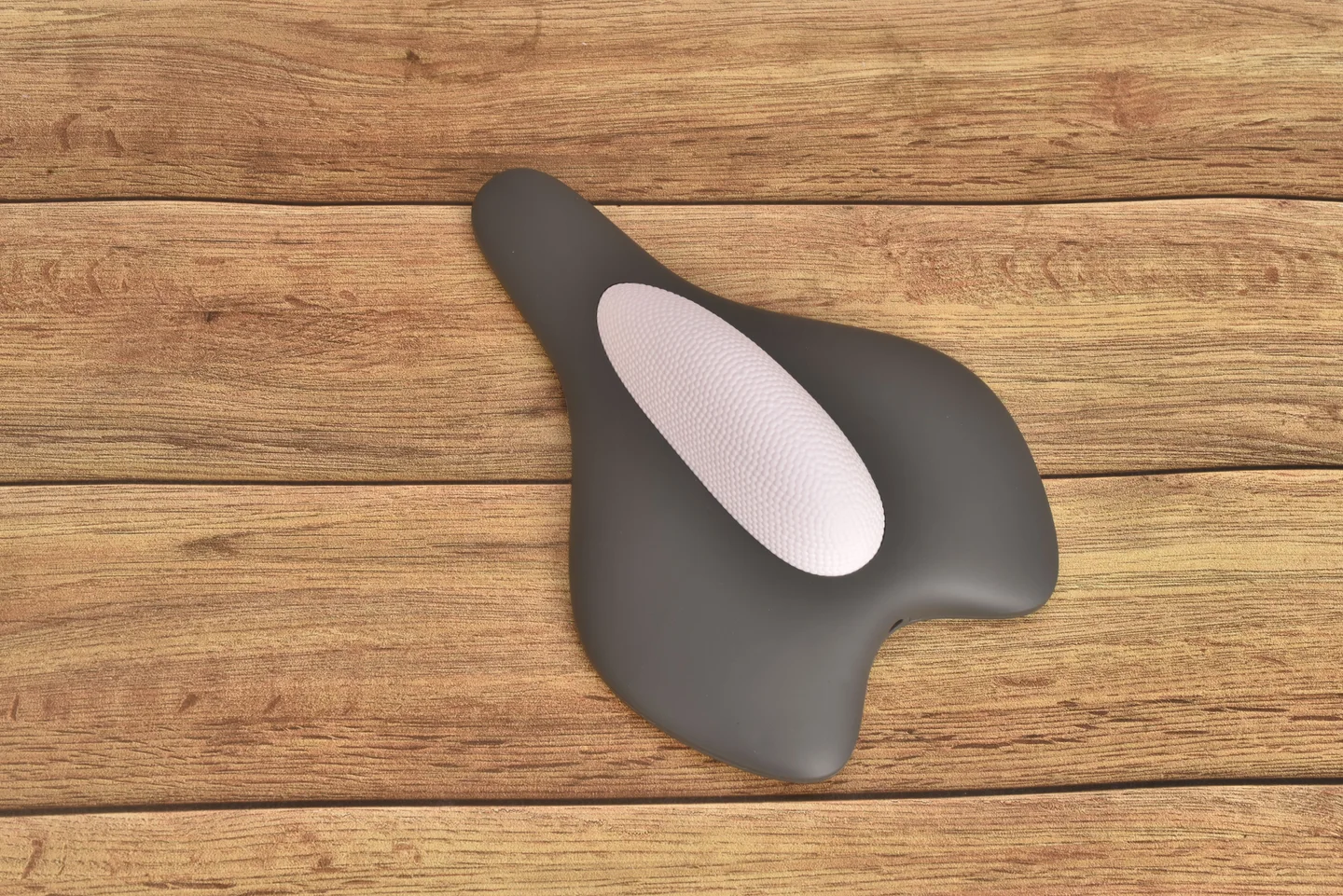
No consumer trainer should be used to diagnose the cause. HOSFU product features are not evidence that an exercise is correct or suitable, and they should not replace individual care.
Use symptoms as feedback, not a challenge
When symptoms increase after training, first reduce uncertainty. Note which exercise, position and intensity were used, when the change began and how long it lasted. This information helps distinguish a brief response from a repeatable pattern and gives a clinician something concrete to assess.
Do not answer worsening symptoms with a harder session. Return to comfortable breathing and allow the pelvic floor to rest. If the change is significant, persistent or accompanied by a warning sign, stop self-directed strengthening and arrange appropriate care.
Consider what relaxation feels like during the rest of the day. Constant abdominal bracing, jaw clenching or holding the pelvic floor in can maintain tension even when formal exercise lasts only minutes. Awareness does not mean forcing relaxation; it means noticing patterns that can be discussed with a professional.
Bladder and bowel habits can also influence symptoms. Repeated straining, constipation, rushing urination or restricting fluid without clinical advice may add stress to the system. A pelvic floor plan works best when relevant habits and medical factors are reviewed together.
The useful question is not whether Kegels are good or bad in general. It is whether a particular contraction-based program is appropriate for this person, this symptom pattern and this stage of recovery. That question often requires more information than a website or consumer device can provide.
Prepare for an assessment by writing down symptom onset, triggers, previous treatment and what happens during and after exercise. Bring a list of medications and relevant procedures. Clear observations help a professional choose examination and treatment steps without relying on vague memories from a difficult week.
If a clinician recommends strengthening, ask what correct effort should feel like, how much rest to use and which signs mean the dose should change. If relaxation is the priority, ask for cues and positions that fit daily life. Specific instructions are easier to review than a generic command to do more or fewer Kegels.
Recovery does not need to follow a straight line. Temporary fluctuations can occur, but a consistent worsening trend should be taken seriously. Observe, reduce the aggravating load, obtain qualified guidance and resume only with a plan that matches the actual problem.
Product sensation is not a diagnostic shortcut. Heat, vibration, pressure or an app display may be noticeable without showing whether the pelvic floor is weak, overactive or coordinated correctly. If symptoms guide the decision, prioritize assessment and clear instructions. Choose a device only for its confirmed role, never as proof that continuing to squeeze is the right treatment.
Clear safety boundaries do not make pelvic floor training less useful; they make it more precise. Strengthening is one tool among several, and the correct tool depends on the symptom pattern. Stop when pain or worsening appears, document the response and seek qualified guidance for the next decision.
The central rule is simple: useful training remains accurate, comfortable and connected to a meaningful goal. Keep notes brief, review trends rather than isolated sessions, and change course when symptoms or professional guidance show that the original plan is no longer the best fit.
About this information
Written by HOSFU, a trainer brand. This educational content is not medical advice or independent product testing. The medical sources discuss pelvic floor exercise in general; they do not validate, endorse or recommend HOSFU products.
Symptoms, recovery and suitability are personal. Seek qualified care for pain, new or worsening symptoms, persistent leakage, or questions after surgery or childbirth.