
Identify the muscles without straining
Imagine stopping gas or gently shortening the penis without moving the hips. You may feel a lift at the base of the pelvis. Keep the abdomen, thighs and buttocks relaxed and continue breathing.
Mayo Clinic advises focusing on the pelvic floor and avoiding regular practice while urinating. If the movement remains unclear, a clinician or pelvic floor therapist can help verify technique.
Mayo Clinic: Kegel exercises for men ↗Build control progressively
Begin with short, comfortable holds followed by equal or longer relaxation. Increase toward longer holds only while the contraction remains steady and the release is complete. MSKCC provides staged guidance rather than asking patients to begin at maximum duration.
Fatigue changes form. End the set when the abdomen or glutes take over, breathing stops or the pelvic floor no longer releases clearly.
Memorial Sloan Kettering: Pelvic floor exercises for males ↗Understand prostate-related recovery
Pelvic floor exercises are often discussed around prostate treatment because urinary control can be affected. Timing and instructions should come from the surgical or rehabilitation team, especially when a catheter is present or healing is incomplete.
MSKCC specifically cautions against performing the exercises with a urinary catheter in place. A general blog should not override procedure-specific directions.
Memorial Sloan Kettering: Pelvic floor exercises for males ↗Keep sexual-health claims realistic
Pelvic floor control is relevant to erection and ejaculation mechanisms, and some men explore training for sexual health. That does not justify promising a particular improvement or timeline for every person.
Sexual symptoms can have vascular, neurological, hormonal, medication-related and psychological causes. Pelvic floor training may be one part of care, not a universal explanation or guaranteed solution.
Mayo Clinic: Kegel exercises for men ↗Measure function, not fatigue
Useful progress might include better awareness, cleaner isolation, improved ability to contract before a cough, or a change in leakage recorded over time. Soreness and maximal effort are not reliable indicators of success.
A simple log of repetitions, comfort and symptoms can reveal patterns without turning every session into a test. Review the plan if control worsens or symptoms remain unchanged.
Ask for help when the picture is unclear
Seek professional care for pelvic pain, difficulty urinating, blood in urine, new erectile symptoms, persistent leakage or concerns after surgery. Stop exercises that reproduce pain.
A qualified assessment can identify whether strengthening, relaxation, coordination work or another medical evaluation is the appropriate next step.
Turn the plan into a sustainable habit
Start with a schedule you can perform accurately on an ordinary day. A small, repeatable routine is more useful than a demanding plan completed twice and abandoned. Link practice to a regular cue and record only the information that helps: comfort, control, leakage and the ability to relax.
If bladder control is the goal, notice real situations rather than relying on how strong a squeeze feels. Track pad use, leakage triggers and confidence during movement. After prostate treatment, use the measures and timeline chosen by the clinical team so that your record supports rather than competes with follow-up care.
If sexual health is the goal, avoid turning each intimate experience into a pass-or-fail test. Pelvic floor control is one factor among many. Sleep, stress, medication, cardiovascular health, relationship context and arousal all affect function, so a single difficult experience should not trigger a sudden increase in exercise volume.
Devices and apps can provide reminders or structure, but their outputs need careful interpretation. A vibration is not proof of a contraction, and a colorful score is only meaningful when the measurement behind it is clear. Choose tools for a practical reason, not because technology automatically makes the training more effective.
Review the routine after a consistent trial. Continue when form is clear and function is moving in the right direction. Adjust with professional input when pain appears, relaxation becomes harder, urinary symptoms change or progress stalls. The objective is useful control in daily life, not endless progression in exercise numbers.
Technique can change under load. A contraction that feels clear while lying down may become less distinct during standing, coughing or lifting. Progress gradually and preserve the ability to release. Returning to an easier position is a sensible way to recalibrate, not evidence that the program failed.
Consider bowel function as part of the picture. Constipation and repeated straining may increase pelvic pressure and complicate urinary symptoms. Discuss persistent problems with a clinician rather than trying to compensate by doing more Kegels. Pelvic health rarely improves when one symptom is considered in isolation.
Treat internet claims about sexual performance cautiously. Outcomes described in general research cannot predict an individual result, and they do not validate a branded product. Professional evaluation matters when symptoms are sudden, painful or associated with medication, cardiovascular disease or neurological change.
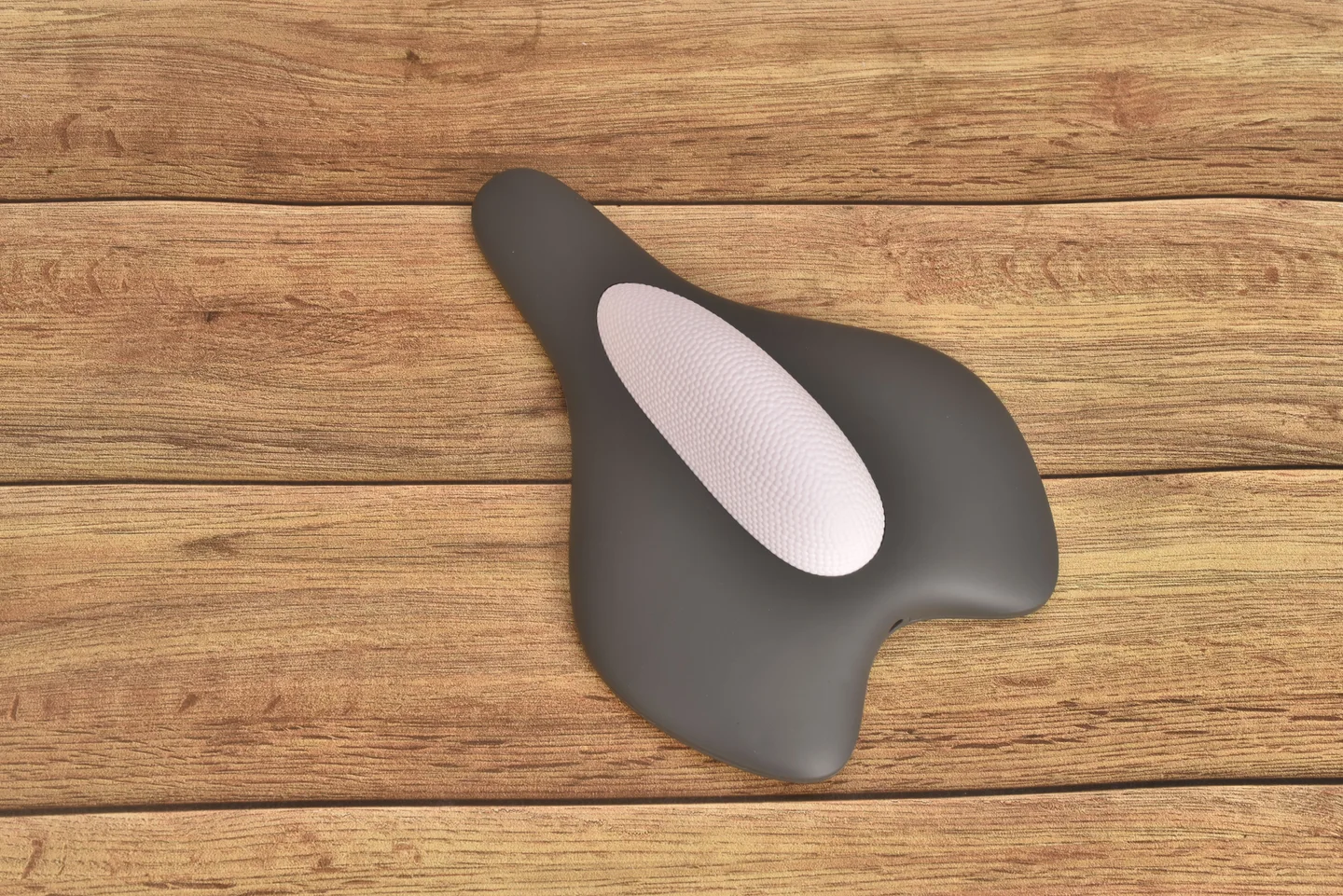
A consumer device can make practice feel more structured, yet it cannot replace the clinical reasoning required for pain, surgical recovery or persistent urinary and sexual symptoms. Confirm what the exact model measures, if anything, and avoid translating a motor, heat setting or app graphic into proof of muscle function. Practical convenience and health evidence must remain separate.
Progress should remain compatible with normal breathing, comfort and full relaxation. If those foundations disappear as volume rises, the program has moved beyond its useful dose. Reduce the challenge, restore coordination and seek individualized help when necessary instead of treating difficulty as a reason to force more work.
The central rule is simple: useful training remains accurate, comfortable and connected to a meaningful goal. Keep notes brief, review trends rather than isolated sessions, and change course when symptoms or professional guidance show that the original plan is no longer the best fit.
About this information
Written by HOSFU, a trainer brand. This educational content is not medical advice or independent product testing. The medical sources discuss pelvic floor exercise in general; they do not validate, endorse or recommend HOSFU products.
Symptoms, recovery and suitability are personal. Seek qualified care for pain, new or worsening symptoms, persistent leakage, or questions after surgery or childbirth.