
Why leakage can happen
Stress urinary leakage can occur when pressure rises during coughing, sneezing, lifting or exercise and the continence system cannot respond effectively. Pregnancy, birth, menopause, pelvic surgery and other factors may change muscle support and coordination.
Leakage is common, but it should not be treated as something everyone must simply accept. The Office on Women’s Health outlines different types of incontinence because the most useful treatment depends on the cause.
Office on Women’s Health: Urinary incontinence ↗Train contraction and release
A useful repetition closes and lifts the pelvic floor without breath-holding or pushing down. The release matters just as much: return fully to rest before repeating. CUH describes both longer holds and short contractions as parts of a balanced routine.
Start in a position where the muscles are easiest to feel and use a manageable dose. Little and often may be easier to sustain than one exhausting session. Quality should remain the priority.
Cambridge University Hospitals: Female pelvic floor muscle exercises ↗Pregnancy and postpartum need context
Pregnancy changes load and pressure through the pelvis, while birth recovery varies widely. Some people benefit from strengthening; others first need help with pain, scar sensitivity, prolapse symptoms, coordination or excessive tension.
Do not treat a generic online plan as postpartum clearance. Ask a maternity clinician or pelvic floor physiotherapist when symptoms are significant, a delivery was complicated, or exercise causes heaviness, pain or increased leakage.
More tension is not always the answer
The Office on Women’s Health notes that some women have pelvic floor muscles that are already too tight and that Kegels can make symptoms worse. Pain, difficult penetration, urgency or trouble relaxing may require a different approach.
If contraction is easy but release is not, pause strength progression. Breathing, down-training and individualized therapy may be more appropriate than adding harder squeezes.
Office on Women’s Health: Urinary incontinence ↗Track meaningful changes
Record the situations in which leakage occurs, the number of episodes, urgency, comfort and whether you can contract before a cough or lift. These observations are more useful than judging a routine by soreness.
Improvement is usually gradual. CUH notes that change can take months. Consistency, correct technique and an appropriate plan matter more than a single intense session.
Cambridge University Hospitals: Female pelvic floor muscle exercises ↗Know when to seek help
Arrange an assessment for pain, blood in urine, recurrent infection symptoms, difficulty emptying, a vaginal bulge, new neurological symptoms or leakage that persists despite a well-performed routine.
A professional can distinguish weakness from poor timing, excessive tension or another condition. That distinction prevents a one-size-fits-all exercise plan from delaying more suitable care.
Build a routine around real life
Choose one or two predictable moments for practice instead of relying on motivation. A short set after brushing your teeth or before a daily walk is easier to remember than an ambitious schedule. The routine should fit around feeding, work, sleep and recovery rather than becoming another source of pressure.
For stress leakage, coordination can matter as much as raw strength. Once a clinician confirms that strengthening is suitable, practice a gentle contraction before a cough, sneeze or lift. The goal is a timely response with normal breathing, not holding the pelvic floor tightly throughout the entire day.
During pregnancy, comfort and medical context should guide progression. Avoid comparing your capacity with another person’s or with your own pre-pregnancy routine. Changes in pressure, posture and fatigue can alter how the movement feels, and pregnancy care teams may modify exercise advice for individual complications.
After birth, begin only within the guidance provided for your recovery. A caesarean birth does not mean the pelvic floor was unaffected, and a vaginal birth does not automatically mean hard strengthening is required. Healing, pain, tears, scars, prolapse symptoms and bladder function all change the appropriate starting point.
At menopause and later in life, leakage may have several contributors. Pelvic floor training can be one part of management, but fluid habits, medications, constipation, mobility and tissue changes may also matter. A broader review is more useful than blaming every symptom on weak muscles alone.
Create a small symptom record before changing the plan. Note leakage triggers, urgency, pain, bowel habits and the ability to relax. Include pregnancy or birth history and relevant procedures when speaking with a professional. This context helps separate a strength problem from timing, tension or another contributor.
Avoid reducing fluid intake aggressively just to prevent leakage unless a clinician advises it. Concentrated urine can irritate the bladder, while excessive drinking can increase frequency. Balanced habits and individualized guidance are more reliable than trying to control symptoms through restriction alone.
Do not measure worth or recovery by continence alone. Pelvic floor symptoms are health information, not a personal failure. A gradual, evidence-informed plan can support function while leaving room for referral, medical evaluation and other treatments when exercise is not enough.
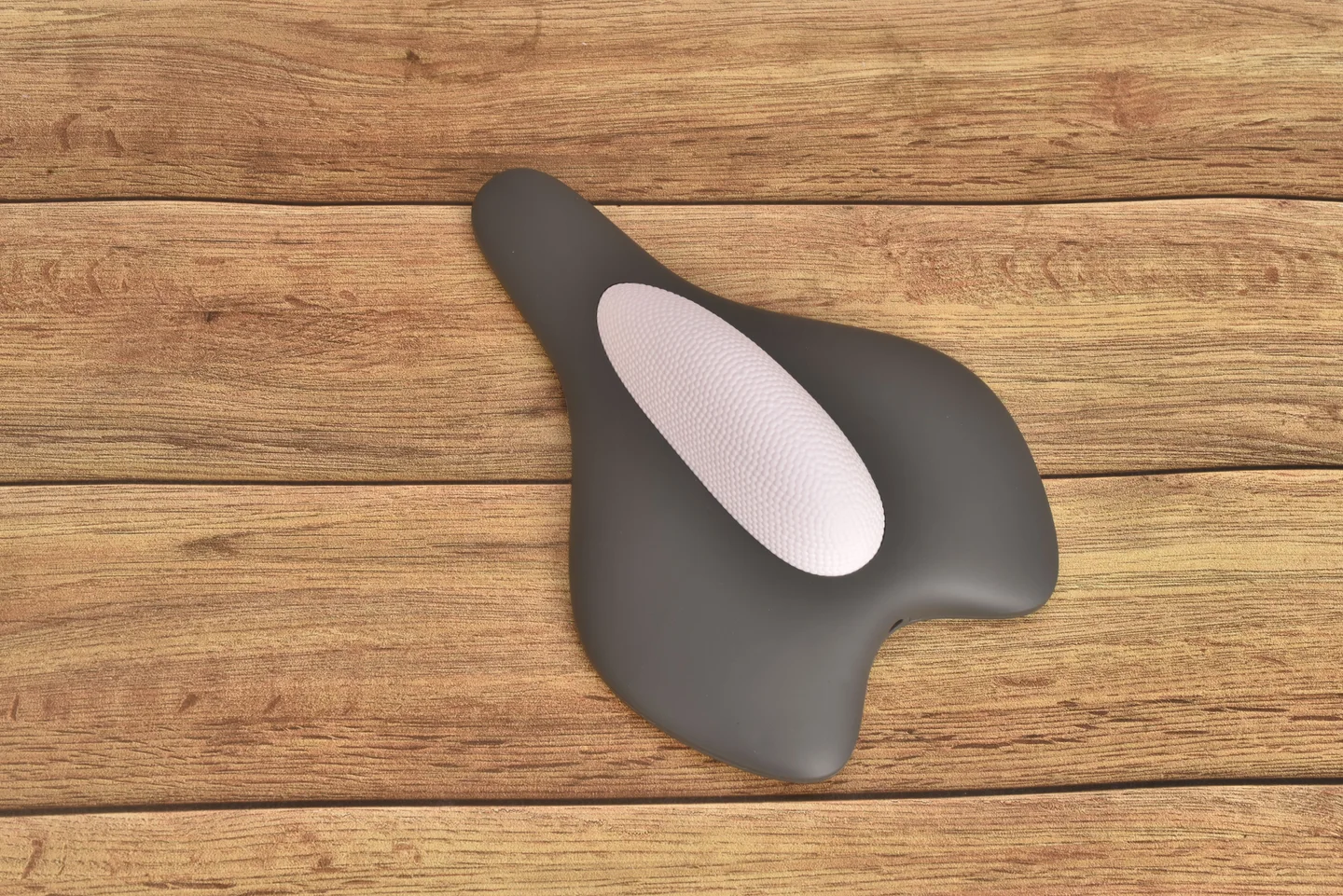
Equipment should not determine the care plan. An external trainer may suit a preference for fully clothed use, but format alone does not diagnose weakness, confirm technique or resolve pregnancy and postpartum questions. Compare confirmed functions honestly, follow model-specific instructions and keep professional assessment available when symptoms, healing or comfort make the general routine uncertain.
For ongoing decisions, bring questions to a clinician in concrete form: what triggers the symptom, what has changed, which exercises were attempted and how the body responded. Specific information supports a more useful assessment and helps prevent a generic strengthening plan from being applied to a situation that needs another approach.
The central rule is simple: useful training remains accurate, comfortable and connected to a meaningful goal. Keep notes brief, review trends rather than isolated sessions, and change course when symptoms or professional guidance show that the original plan is no longer the best fit.
About this information
Written by HOSFU, a trainer brand. This educational content is not medical advice or independent product testing. The medical sources discuss pelvic floor exercise in general; they do not validate, endorse or recommend HOSFU products.
Symptoms, recovery and suitability are personal. Seek qualified care for pain, new or worsening symptoms, persistent leakage, or questions after surgery or childbirth.